
Category Archives for Saving Money & Frugal Living

The Pitfalls of Bad Credit
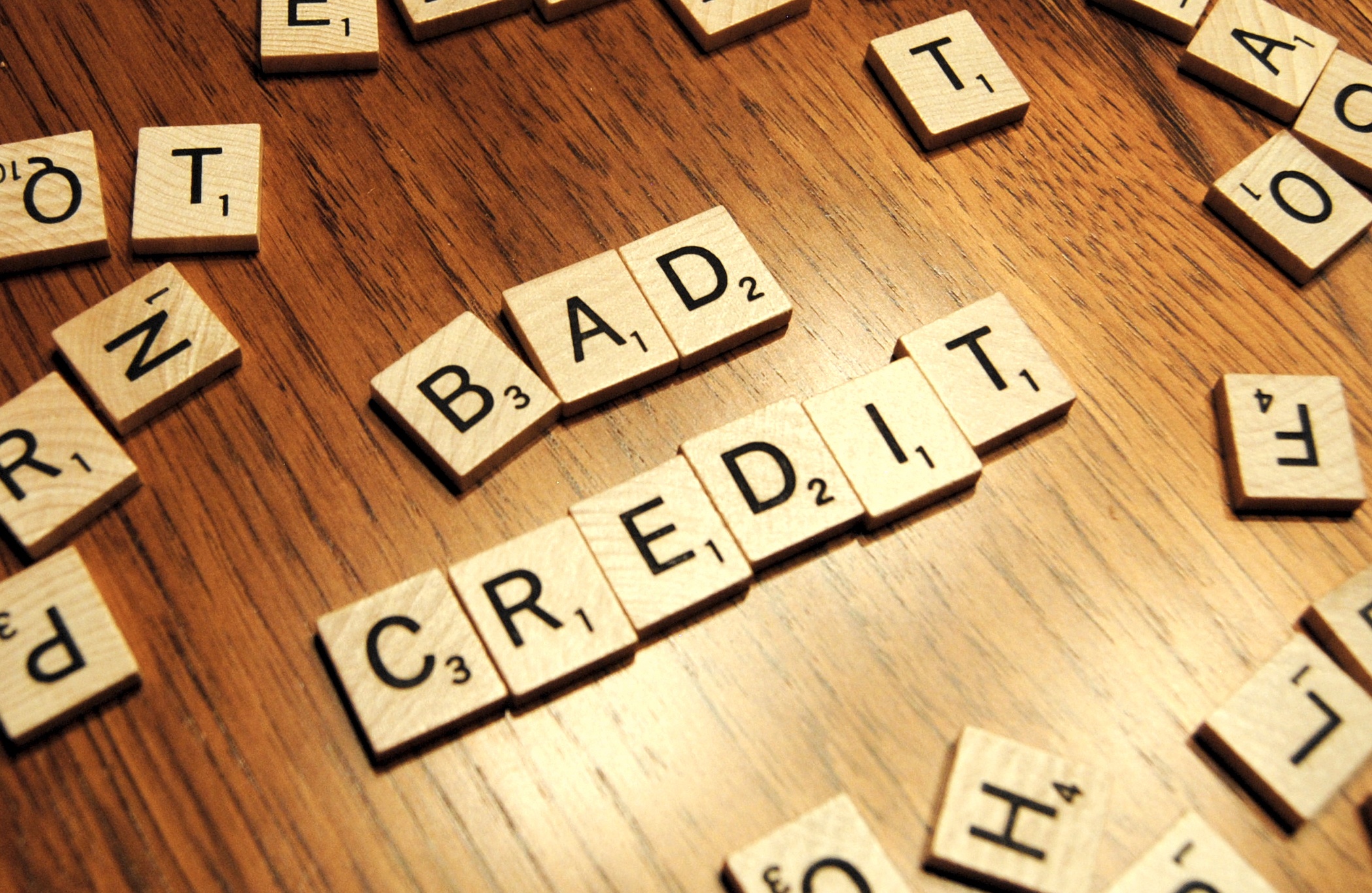 More and more in today’s economy, we hear of people and businesses alike getting behind on their loans and bills, and even having to default / go bankrupt. This obviously can be devastating for a person’s credit rating, report, and score.
Along with the psychological impact, there are some pretty detrimental material ramifications of having bad credit as well. Let’s walk through a couple of these common pitfalls today to see what sort of benefits can come from potentially repairing your credit.
1. Employment
Back in November of 2014, I started a new job after finishing graduate school. After going through the interview process and accepting the job offer, one of the final paperwork items I had to fill out was a release for the company to perform a background and credit search, if they desired.
Since most jobs in today’s society involve some sort of interaction with monetary / budget management, you can imagine that if an employer pulled your credit report and saw a bunch of overdue loan and bill payments and delinquent accounts, it just might jeopardize your job chances.
2. Mortgage Approval
On December 30th, 2014, my wife and I closed on a single family home purchase in Colorado. Prior to even really talking seriously with a real estate agent, the first step was that he connected us with a mortgage lender to secure home loan pre-approval. During this process, our ability and history to repay debts, credit card balances, and utility bills was scrutinized.
Along with the ability to actually secure a home loan in the first place, having bad credit history can drive up your interest rate and/or add mortgage origination points (to mitigate the bank’s risk), which can increase the cost of your home ownership.
3. Having Your Dream Business Flourish
Do you have a dream of owning your own business? If so, having bad credit can be a pitfall to this plan as well.
First, unless you are planning to open up a virtual business, most brick-and-mortar businesses require a fair amount of capital investment in the first phase of operation. If this capital investment exceeds the amount you can personally round up from friends, family, and investors, you will probably be looking at obtaining a business loan from a bank or grant from a small business association. Both of these routes will involve a thorough investigation of your credit history, and therefore, having bad credit can be quite detrimental.
Next, if certain contract businesses, clients can demand the right to perform a background check on you and your company. If this happens, you want to make sure your credit history is positive.
So there we have it – three fairly significant pitfalls of having bad credit. If you feel like any of these may be important to you, repairing your credit may be a very logical, important, and beneficial next step. Good luck!
***Photo courtesy of https://www.flickr.com/photos/jakerust/16610023059/in/

The Hidden Cost of Hybrids
 The following is a post by MPFJ staff writer, Derek Sall. Derek is the owner of the blog, LifeAndMyFinances.com, where he teaches people how to get out of debt, save money, and become wealthy.
Hybrids first went mainstream with the introduction of the Toyota Prius that boasted an impressive fuel efficiency of 42 miles per gallon in the city and 41 mpgs on the highway. Compared to the typical average of well below 30mpgs, this car was simply amazing. It was quiet, high tech, surprisingly spacious, and had some decent power considering its efficiency. Obviously, this car would save money in gas, but were there additional costs associated with the hybrid that few car-buyers would notice before the purchase? As with most purchases, unfortunately yes, there are costs that may hurt your ability to save money in the long run.
1) The Higher Initial Costs
When purchasing a newer model, many dealers like to talk in term of payments, rather than the actual total that the car is selling for. Often, this is because they do not want their customers to experience sticker shock. It’s much easier to wrap your head around a $300 a month payment than it is to spend a total of $28,000. Also, to make the costs between gasoline-powered vehicles and hybrids seem negligible, they can extend the time frame of payments on the hybrid so that the per-month price is basically the same.
In reality though, the sticker price on the hybrid model is often much more expensive than the non-hybrid – typically $2,500-$5,000 more expensive. So immediately you are starting in the hole by purchasing a hybrid vehicle, just hoping that you can make up the difference in fuel savings.
2) Variable Fuel Prices
One of the biggest selling factors for hybrid vehicles in 2013 and much of 2014 was the steep cost of gas. If you typically spent $2,000 a year at the pump, purchasing a hybrid could immediately save you $750 a year, which would cover the initial purchase costs in just five years!
However, at the surprise to many, gas prices actually started going down in the fall of 2014 and they still remain relatively low today. With these reduced running costs, the break-even time frame extends beyond the five-year mark and is now more like eight or nine years! It becomes a little more difficult to justify a purchase when it won’t start saving you money until a decade after the purchase.

Source: GasBuddy.com
3) Highway Trips
The people that are typically the most interested in hybrid vehicles are the ones that travel great distances to work. It certainly makes sense that they would be looking for better fuel efficiency with the miles that they’re racking up each year, but the only problem is that the hybrid vehicle isn’t really built to save as much fuel with long highway trips. In actuality, the hybrid actually gets better fuel efficiency with more starts and stops in the city (which is why they often boast a higher city efficiency rating). And on the flip side, gasoline-powered vehicles often get better gas mileage on the highway, so the divide between the gas mileage of the hybrid vs. the gasoline model isn’t that great.
As an example, let’s compare my 2001 Honda Civic to the 2000 Toyota Prius. My Honda gets 27mpg city, and 34 mpg highway. As we stated before, the Prius gets 42mpg city and 41mpg highway. If I drive mostly long distances, then I’m likely taking the highway almost everywhere I go, and the fuel efficiency is only a slight amount better than my non-hybrid vehicle, so the savings is even less than you might initially think.
4) The Cost of the Battery
Hybrid vehicles have a specially made battery that is powerful enough to power the entire car for periods of time. This amount of power is impressive, but it doesn’t come without a hefty price tag. If a hybrid car needs a battery replacement, it can often cost between $1,000 and $6,000 dollars. Yikes! If your car is eight years old at this point, then it might not even be worth the amount of the replacement!
Because people are scared of this cost, used hybrid vehicles can often be more difficult to sell. So, even if your battery doesn’t fail, you will still be eating some of the cost because you’ll have to sell the car for cheaper than a run-of-the-mill gas-powered model.
Before your next car purchase, be sure to review the hidden costs!
How about you all? What hidden costs did you encounter when purchasing your last car (regardless of what kind it was)?
Share your experiences by commenting below!
Save Money on Food with Your Own Garden
 The following is a post by MPFJ staff writer, Jeff. Jeff writes about reducing waste, saving money and building freedom at his website, Sustainable Life Blog.
My wife and I have had our fixed expenses (aka our monthly nut) under control for quite a while now, but occasionally we still spend way too much in the non-fixed categories, which can break the budget and really cut into the savings we want to put away to reach our goals.
The category can change based on things going on (such as house renovations) but typically the one expense that can always blow the budget is food.
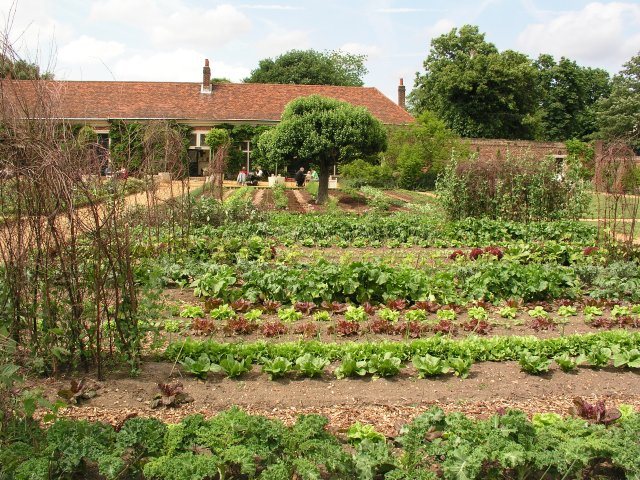
One of our favorite ways to combat this is to plant a garden. Planting a garden doesn’t cost a lot, and can be a great hobby that many people will enjoy. Not only do people enjoy it, but aside from a few things the hobby is free and should keep you from spending money in other areas!
You don’t need a lot of skills for gardening, and in some areas you can garden almost all year long. Even in Wyoming where I live, you can garden from early April to late October as long as you’re planting the right things at the right time.
Look at What You Already Buy
The first way that we saved some money with a garden was to look at what we buy at the grocery store. During the summer, my wife & I like to eat salads with a bit of protein (chicken, fish, etc) on them, so we started there. Our first try at a garden included salad fixings, such as tomatoes, cucumbers, carrots and kale. We knew that we would eat these things once they grew, so all we had to do now is not kill them.
We got a packet of seeds for each of the items we wanted at the local flower store and our total cost was about $10. After that, it was simply labor that we did to get the garden going. We watered daily and waited until the fall to reap what we had sown.
After The First Season
Our first season in the garden was not all that successful, but we still were able to recoup all of our costs and save quite a bit of money on our food that fall. While our grocery budget didn’t go down for every single month of the year, we were able to make quite a bit of progress during the 3 months that we harvested stuff from the garden. We were able to lower our grocery bill by 20% or so each month, which was quite nice.
No Yard? No Problem!
For you apartment dwellers: don’t despair! You can give your own veggies a try in some pots on the patio or deck, but I suggest starting with herbs.
Herbs typically cost quite a bit of money at the grocery store and I can never seem to use them all before they go bad. Having them in pots out on the porch will allow you access to fresh herbs all the time, and you can even move them inside when the weather goes bad. A few of my favorites are basil (for pizza, salads and more) and mint (for mojitos!).
So if you’re looking to get started, think about what vegetables that you eat frequently and give some of those a try. All you need is some seeds and the willingness to do a little work outside in the summer time – which shouldn’t be too difficult.
How about you all? Do you have a garden? If so, what do you put in there? Has having a garden saved you money at the grocery store?
Share your experiences by commenting below!
***Photo courtesy mym [CC BY-SA 2.0 (http://creativecommons.org/licenses/by-sa/2.0)], via Wikimedia Commons

Six Inexpensive Ways To Get Your Yard Ready For Summer
The following post is by MPFJ staff writer Travis, who blogs at Enemy of Debt where he candidly shares his family’s financial struggles, failures and successes. As a father and husband, he provides a unique perspective on balancing debt, finances, and family.
I remember driving through a neighborhood with big houses when I was a teenager and admiring the immaculately manicured lawns, the perfectly shaped trees, and landscaping that looked so perfect I wondered if it was fake. My yard may not look quite as exquisite as the ones I remember from my childhood, but I take pride in the exterior of my home. It’s really not that difficult, and it isn’t even that expensive. To give myself the best chance of having a great looking yard this year, there’s one thing that I absolutely must do.
If I want a great looking yard, I have to start early.
Here’s my list of the top six things I will be doing in the next week or so to get my yard green and growing as quickly as possible, as well as how much it will cost me:
 1. Get A Rake
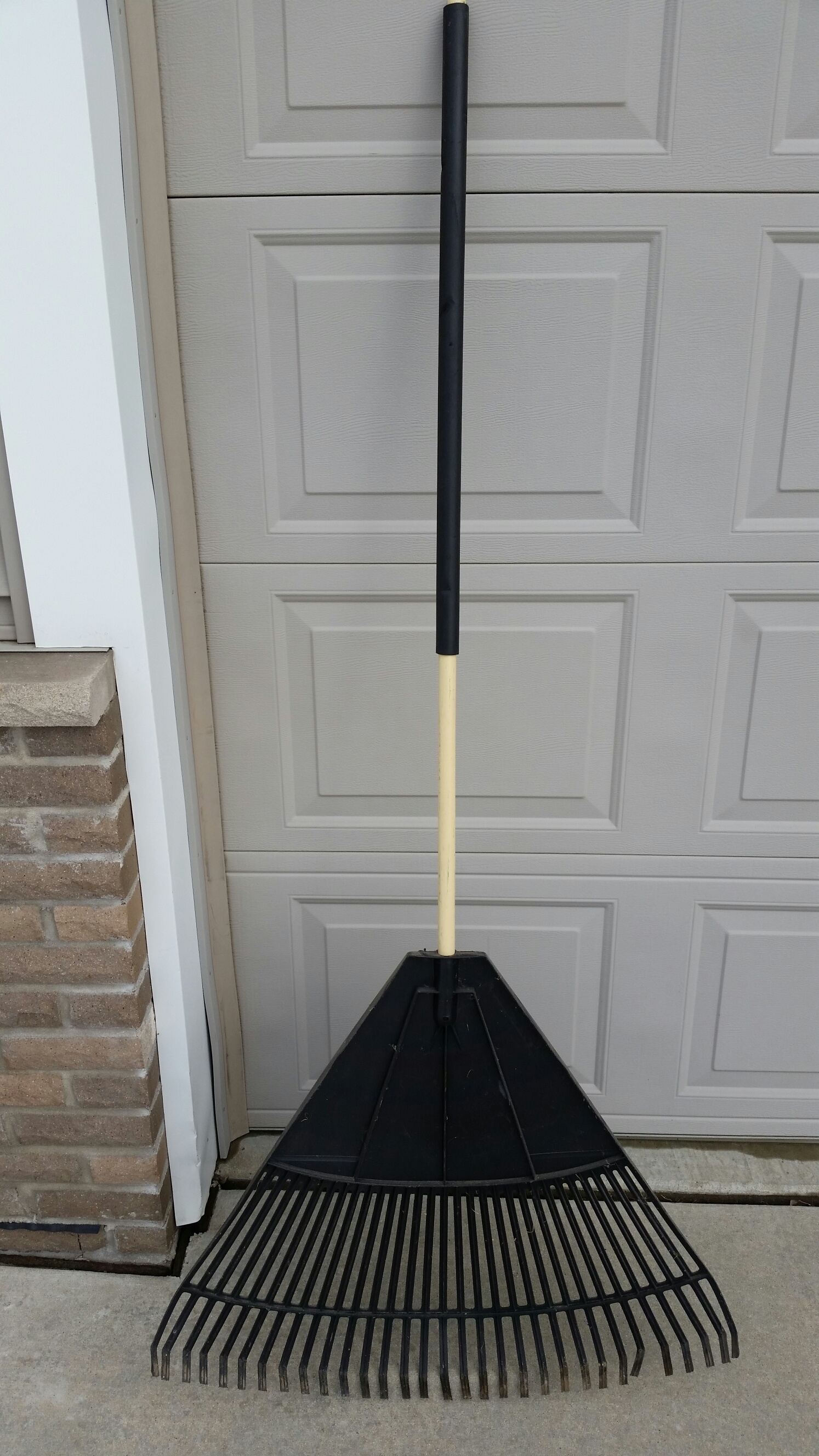
This is especially essential for me because I live in a cold weather climate where my grass gets matted down by 6 months of snow. Raking the yard will remove the dead grass, making it easier for the blades that remain to get the needed sunlight to start growing again. A good lawn rake can be had for about $15 from Walmart and will last for years.
2. Fertilize The Lawn
The first application of fertilizer is the most essential. The recommended application will not only give the grass the needed nutrients to start growing quickly, but it also contains crabgrass killer. Crabgrass cannot be killed during the growing season after it pops up in the lawn. When it comes to crabgrass, prevention is the only solution, and it must be done early in the spring. I picked up a bag of Crabgrass Halts plus fertilizer on sale at Costco over the weekend for $47.
 Note: To apply the fertilizer, I use my broadcast spreader. One of these costs $35, but it can be used for years. Mine is over 10 years old and still going strong.
3. Spike The Trees
One of my favorite things to do in Summer is to lay in the grass and listen to a warm breeze rustle the tree leaves. They give us shade, and they look majestic in our yard. Trees need food, so I give them some fertilizer spikes in the Spring and then again in the Fall. The spikes are put into the ground along the perimeter of the estimated root line. The bigger the tree, the more spikes you need. I can get by with one $10 package of tree spikes for my Spring application.
4. Trim The Bushes
When my wife and I bought our first house, I decided to trim the bushes in the front of my house in the middle of July. I cut off almost all the leaves, exposing the leafless, uninteresting branches of the infrastructure of the bushes. Guess what, friends? New leaves didn’t grow back and I was left wondering if I had killed my bushes. The next Spring all was good, but I’ll never forget staring at my dead looking bushes for months. Now I trim my bushes in the Spring before they start growing. There are more expensive electric trimmers, but I get by just fine with my $20 hedge shears I picked up at Home Depot.
5. Trim The Trees
As my trees grow, they sometimes extend towards the house, power lines, or just create a shape that isn’t nice to look at. Spring is a great time to take off those unwanted branches. I have a 14 foot Bypass Pruner that allows me to easily remove almost any branch I on my trees. I purchased mine for $40 a few years ago, and it still looks brand new.
 6. Replace Mulch
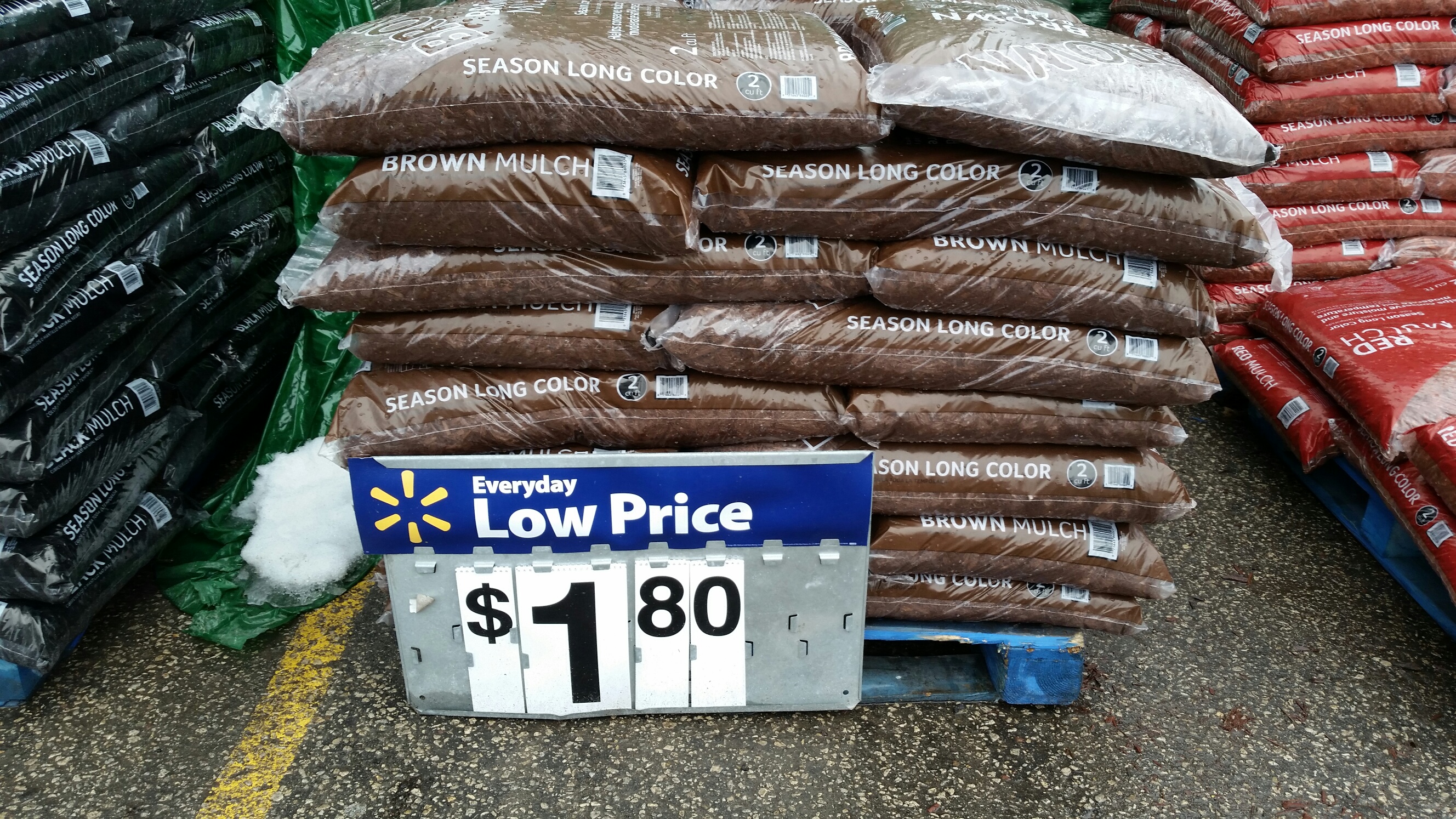


Some people have rock around their landscaping, and some have mulch. We have a combination of both solutions. The wood mulch discolors and disintegrates over the summer months so I like to refresh my mulch in the Spring. Mulch costs about $2 a bag, and I can get my job done for a total cost of $14.
Overall Costs
One Time Costs:
- Fertilizer Spreader: $35
- Hedge Shears: $20
- Bypass Pruner: $40
Total: $95
Yearly Costs:
- Rake: $15
- Fertilizer: $47
- Tree Spikes $10
- Mulch: $14
Total: $86
I used the phrase, “One Time Costs,” for items that can be used for years. Obviously they may break or eventually wear out, but they’re not an expense that will be incurred every year. The point is, given an afternoon of being outside in the sunshine and a relatively small amount of money I will get my yard in tip top shape for the coming growing season.
Maybe you’ve admired someone’s luscious looking yard wishing that someday yours could look like that. If you like working outside, with a little effort you can inexpensively make your lawn the envy of the neighborhood. The time to make it happen is now, so grab your tools and get to work!
How about you all? Do you like to work on your yard? Is there anything else you would add to this list to help make your yard look the best is possibly can? How much do you spend each Spring getting your yard ready for the warm season?
Share your experiences by commenting below!

Things to do Over Spring Break Without Breaking the Bank

 This following is a post by MPFJ staff writer, Jeff. Jeff writes about sustainable living and finances at his website, Sustainable Life Blog. Jeff really enjoys traveling with his wife as much as he can, to wherever he can.
It’s March, and that means it’s almost spring break for those of you in school or those of you with school age children. Unfortunately, I’m neither and don’t get any time off, but that doesn’t mean that it’s not any fun to day dream and research about vacations I would take if I could.
A Matter of Time
One of the first things that I look for when planning a vacation is how much time I have. Many on spring break have a week (9 days if you count both weekends) but not everyone wants to be away from home for that long. It doesn’t leave a lot of time for you to get settled back into school and work or take care of any small things around the house before you hit the road.
This is a common trap to fall into, and I’ll admit it happens to me all the time. I went on a two week vacation once, and gave myself exactly half a day before I had to go back to work again. I was scrambling the rest of the week to get caught up with housework and other things.
Picking The Right Place
There are plenty of great places that you can go to, and even more so when the weather is warm. My favorite thing to do on vacation is go camping or spend time outdoors. In March, the weather may be a bit cold for tent camping, but there’s probably a scenic area (like the forest service or recreation.gov) near you where you can rent a cabin or something similar to stay in for a few days. Once you get the lodging and travel costs taken care of, you can soak up all the time you need in nature and enjoy the free entertainment it provides.
Of course, if that’s a bit out of your price range, considering doing a few “staycations“. If you’re unfamiliar with the term, a staycation is where you stick around your local area, and do “touristy” things that you have not done yet, or have not had a chance to do up to this point. I can’t tell you how many times that I’ve gone to visit friends in other cities and asked about going to a specific place, only to have them respond with something similar to “we’ve lived here X years and have never been there”. You can check out local museums, an art show or perhaps a local play.
The last time I tried this, I went on a “food tour” and found a bunch of awesome restaurants and had a little bit to eat at each one. I really enjoyed the food tour, and I didn’t have to deal with the major expense of a vacation. There’s also no travel headaches to deal with, like airport parking and long lines.
Relax on the Cheap
I’ve never found a reason for vacations to be difficult on the pocketbook, but sometimes people can make them that way. Getting away and spending time with those that you care about is what matters, not where you go or what you’ll be doing. Focus on the right things when you’re vacationing, and you can easily save a bit of money too.
How about you all? What sort of things do you like to do for spring break that can also help you save a little money?
Share your experiences by commenting below!
***Photo courtesy https://www.flickr.com/photos/tomronworldwide/16048660691/

Should You Cut Up Your Credit Cards?

 The following is a post by MPFJ staff writer, Derek Sall. Derek is the owner of the blog, LifeAndMyFinances.com, where he teaches people how to get out of debt, save money, and become wealthy.
There is a big dispute going on right now between those that are earning money with credit cards and those that cut them up because they want to avoid overspending.
One side loves to use their credit cards all the time because they earn hundreds of dollars a year with their reward points, and they just simply don’t understand why anyone would forgo this money that the credit card companies are giving away, free of charge! Then, there are those that have seen families rack up credit card debts to the point where they were unable to pay even the minimum balance. Due to this fear of overspending, people decide to do without credit cards entirely and live with only checks, debit cards, and cash.
So who is right? Should you cut up your credit cards and live on a cash basis?
The Credit Rewards Perspective
I got my undergraduate degree in Finance, and I thought I was pretty hot stuff when I got graduated. After all my courses, I had an understanding of net present value, future values, interest rates, price-per-earnings ratios. I knew almost everything that there was to know about Finance! I know that there was such a thing as good debt and bad debt. One helped you build even more wealth than you had currently, and the other ended up depreciating your assets, but when used as a tool for wealth, debt could be a great thing.
On a smaller scale, credit card rewards fall into this realm of good debt and bad debt. Obviously, if you hold a balance on your credit card and are making high interest payments each month, this would be considered a bad debt. But, what if you pay the balance off each month, and are still earning those rewards? This temporary debt (which you probably would have incurred anyway) is allowing you to earn points that can soon be redeemed for actual dollars. This must be a form of good debt right? Well, for those that are playing this game, they certainly think so.
The Cash Only Perspective
When we picture those that avoid credit card use, they are often over 60 years old, have gray hair, and are totally ignorant as to how easy money is made. Why would somebody ignore the use of credit cards when they could earn an extra $300 a year in credit card rewards points? It just seems ludicrous!
This group of people though, may not be as ignorant as you might think. Instead, many of them have done their research and discovered that credit card spending can actually hurt your finances by a greater amount than the rewards. How could this be? It’s pretty simple actually. Just follow this logic for a minute.
Let’s say that you withdraw $40 from the bank to spend on whatever you wish during the week. As you walk around the mall or in your downtown square, that $40 is safely in your pocket, just waiting to be spent. Throughout the week, you see some shoes that you might want to buy, but then think about how similar they are to what you already have, so you pass on them. Then, you see some artwork that you think might look nice in the house. But no, there really isn’t anywhere to put it. Finally, you decide to spend some of your money on a nice meal with your friends and on a book that you’ve been dying to get your hands on. Throughout this whole process of spending your own money, you actually have been quite selective.
Now, imagine that instead of pulling $40 out of your own bank account, your grandmother hands you $40 to buy whatever it is that you want. As you walk through the mall, you see a video game that looks pretty awesome and the price tag is $40. Perfect, you buy the game without thinking twice about it. For some reason, the thought that you put into your purchase has severely decreased, but why? It’s simple. You did nothing to earn the money.
The same is true with your credit card. Because we are not literally pulling the physical cash out of our bank account and handing it over to the cashier for a purchase, the emotional aspect has been severely decreased. Even though we are still paying for an item with our own money, it feels more like the $40 that we got from grandma, so we spend it more frivolously.
Studies have been performed that prove this theory. When we purchase items with credit cards, we tend to overspend. And, over the course of the year it is entirely likely that our over-purchasing will exceed the amount that we received back in rewards.
So Where Do I Stand?
I imagine that you’re asking the question, “Well what about you, Derek? Do you use credit cards?” The simple answer to that is, “Yes”, but I believe that I am a special situation. I am what you might call an extreme saver. When I was in high school already, I avoided going out to eat at Wendy’s or Burger King because I knew I could eat for cheaper at home. So, instead of giving into the peer pressure of my friends, I would invite them to my parents’ house so that we could eat their food for free!
Today really isn’t much different. I am extremely content with the possessions I own and feel no need to buy anything extra. For this reason, I don’t feel like I am overly compelled to buy more when I have a credit card in my hand. Or, even if I am, it’s probably the difference of spending $5.00 instead of $4.00. The difference is probably so minimal that the overall effect is unnoticeable.
For many though, I think that it would be the right move to cut up those credit cards. If your credit card bill is constantly over $200 a month, then you are probably consistently overspending and earning nothing on those credit reward points. And, in the grand scheme of things, if you are striving to become wealthy (the right way), then what impact does $300 a year really have? Probably little to none. Don’t get hung up on the credit card game. Instead, use it as little as possible and focus your efforts on reducing your expenses and increasing your income. By focusing on the big picture day in and day out, you will certainly come out ahead!
How about you all? Do you use a credit card? Do you feel like you spend more than usual because of it?
Share your experiences by commenting below!
***Photo courtesy https://www.flickr.com/photos/434pics/3494630853

Have We Forgotten How To Be Frugal?

 The following post is by MPFJ staff writer, Melissa Batai. Melissa is a freelance writer who covers topics ranging from personal finance to business to organics to food. She blogs at Mom’s Plans where she shares her family’s journey to healthier living and paying down debt.
I was born in the early 1970s. In 1978, there was a huge blizzard that closed school for over a week. I had hand-me-down boots that I wore, and yes, I wore bread bags to keep my feet dry in my boots. So did my best friend down the street and many of my classmates. It was normal.
After the storm, when school was closed, my friend and I put a ladder up by the side of the house and climbed up. We slid down off the roof into a huge pile of snow. I can’t tell you how many hours we did that and how much fun we had.
Too much fun, I guess, because the friction from the shingles wore out the seat of my snow pants. My mom was not impressed. Buying a new pair wasn’t an option. Instead, she set to work patching them.
Most of my clothes were hand me downs from my older cousins or thrift store finds. I didn’t feel bad when I got hand me downs. I was excited to see what new-to-me clothes I would get.
My family didn’t have much money; we had to be conservative. But most of my friends were in the same position, so living this way was normal.
Things have radically changed since then.
Now, if you rip out a pair of snow pants, you’ll likely get new ones because really, how can you be expected to go around with patches on the seat of your snow pants? No one walks around with patched clothes now, not even toddlers who don’t have friends they have to worry about impressing.
Frugality Is an (Unpopular) Option Now, Not a Treasured Skill
For many generations of Americans, being frugal was a treasured skill and a richly admired trait. My grandparents, who lived through the Great Depression, continued to be frugal into their old age. My grandma was well into her 80s when she finally stopped washing tin foil and baggies to reuse.
My aunt, who learned her frugality from my grandma, made hats for her bridesmaids’ to wear. The main component of the hats? An empty, washed tuna fish can that she covered in fabric to make the center of the hat. True story. (That hats looked good, too. You’d never guess what they were made of.)
Years ago, this type of frugality was not unusual. Now, it’s scoffed at or openly ridiculed.
Each Generation Is Wealthier Than the Previous One
This topic of how much our society has changed with regards to possessions and money was brought to the forefront recently when U.S. Senator Joni Ernst from Iowa mentioned wearing bread bags inside her boots when she was little. Twitter was soon abuzz with laughter and jokes about the use of bread bags.
Megan McArdle of Bloomberg View argued in support of Ernst, saying of America’s history, “all along, Americans got richer and things got cheaper—especially when global markets opened up. Payless will sell you a pair of child’s shoes for $15, which is about two hours of work even at minimum wage. Perhaps that sounds like a lot to you—two whole hours! But I’ve been researching historical American living standards for a project I’m working on, and if you’re familiar with what Americans used to spend on things, this sounds like a very good deal.”
McArdle goes way back to the late 1800s and says, “There’s a scene in one of the [Little House on the Prairie] books where Laura is excited to get her own tin cup for Christmas, because she previously had to share with her sister. Think about that. Now, go into your kitchen and look at your dishes. Then imagine if you had three kids, four plates and three cups, because buying another cup was simply beyond your household budget—because a single cup for your kid to drink out of represented not a few hours of work, but a substantial fraction of your annual earnings, the kind of money you really had to think hard before spending. Then imagine how your five-year-old would feel if they got an orange and a Corelle place setting for Christmas” (Bloomberg View).
While my extended family may not have struggled as much as Laura Ingalls Wilder’s family, they did struggle. My mom and her brothers and sisters all went to a parochial school while growing up. My mom recounts one time she and her sister took the money from their part-time job to pay for their own schooling because my grandparents simply could not afford the tuition that year.
Yet we live in a time now, fifty years later, where parents are expected to help pay for their child’s college education. If parents decide not to or can’t afford to pay for college, they are often looked down upon, as if they’re shirking their parental duty.
At What Price Does Our New Found Wealth Come?
In many ways, Americans are very lucky. Thanks to globalization, we pay much less for the goods that we need. McArdle highlights this point saying, “Growing up in the 1950s, in a comfortably middle-class home, my mother’s wardrobe consisted of a week’s worth of school clothes, a church dress and a couple of play outfits. Her counterparts today can barely fit all their clothes in their closets, even though today’s houses are much bigger than they used to be; putting a family of five in a 900-square-foot house with a single bathroom was an aspirational goal for the generation that settled Levittown, but in an era when new homes average more than 2,500 square feet, it sounds like poverty” (Bloomberg View).
Even those among us who struggle financially likely have residences with clutter. Goods now are so easily gotten and for so little that stores like The Container Store flourish.
But the low cost of goods is not the only reason why we’re enjoying a higher standard of living. More and more, both parents work and bring in two salaries. In that way, we’re more affluent than the many generations before who typically had one parent stay home to care for the children.
Keeping Up with the Jones’ and Dealing with Peer Pressure If You Don’t
As I said, when I was young, most families had to be frugal because most mothers stayed home with their kids. Only one parent worked. This was the same in most families I knew.
Now, more than 50% of households with children and two parents find both parents working. In these families, they likely have two cars, nice (designer) clothes for both kids and parents, and money for recreational activities. They might save for their children’s college.
If a family still chooses to have one parent stay home, money will be tighter. Perhaps the family only has one car instead of two. Maybe they buy a smaller house than their peers. Maybe their grocery budget is more conservative and they choose not to buy their children expensive snacks for their lunches.
Chances are, both the parents and kids in these families will hear comments from families with more money. Adults may wonder why they only drive one car or say something like, “We could never live with only one car.” Kids might get teased for their hand-me-down clothes and homemade lunch snacks.
What used to be normal in our society is now something to be teased and mocked. Joni Ernst experienced that on a global level on social media.
How about you all? Do you agree that our culture no longer encourages frugality? If you’re frugal, how do you handle the peer pressure to buy more and make more money?
Share your experiences by commenting below!
***Photo courtesy: https://www.flickr.com/photos/teegardin/6097066382/

Are You Becoming Wealthy, What’s Next?

 The following is a post by MPFJ staff writer, Derek Sall. Derek is the owner of the blog, LifeAndMyFinances.com, where he teaches people how to get out of debt, save money, and become wealthy.
Today, it seems that everyone’s ambition is to go on expensive trips, acquire a bunch of stuff, and live in a huge house. After all, that’s what our friends and family are doing as well.
But, is this really the best way to live? Is this the way to wealth? If you ask me, I say certainly not!
The Road to True Wealth
For those that measure wealth with their stuff, they will likely have a bunch of toys, but will always be worried about paying all the bills when the end of the month comes. This should be obvious to you that this is not the road to true wealth.
So what does wealth really mean? It comes as a surprise to many, but wealth is not just measured in dollars, but is also measured in time and relationships. But, without first taking care of the dollars side, the two other areas of wealth can be difficult to attain. For example, I know of a few doctors that have million dollar houses and nice cars in the driveway, but in order to fund their lifestyle they must continue to work their butts off, day in and day out. By spending all of their time at work, they clearly aren’t enjoying a wealthy lifestyle of extra time. And, their relationships with their spouse, kids, and friends probably aren’t the best either.
So how can someone become truly wealthy, with money, time, and great relationships? Well, in order to have true wealth, it is often best to start by getting your finances in order.
Fixing Your Financials – 7 Steps
It’s pretty hard for me to hide, and you probably suspected this already, but I am a huge Dave Ramsey fan. On his site and in many of his books, he mentions seven steps to becoming getting out of debt and becoming rich, and I have not found any major holes in his teaching yet. In order to increase your cash flow situation, one should follow the below seven steps:
1) Set up a $1,000 Emergency Fund
2) Pay off all consumer debt with the snowball method
3) Save up a large emergency fund with 3-6 months of expenses
4) Put 15% of your income into investments
5) Save up for your children’s education
6) Pay off your mortgage
7) Become rich
I have personally gone through all seven steps of this plan and it flat out works to become rich! But, as we have discussed before, the financial aspect is only a portion of what it takes to be truly wealthy.
Building Relationships and Freeing Up Time
Money without time or friends is a pretty huge bummer and doesn’t qualify as a wealthy lifestyle in my book. Money should be earned in order to grow a more passive income – either with the stock market or with a side business. By forgoing an immediate possession or two (which will only hurt your net worth as it drops in value), your money can grow even more money, which will allow you to decrease your work without sacrificing a sizable income. With this mentality, time can be freed up, which will then add to your overall wealth.
The relationship side of the equation is a little more difficult because we are not all blessed with the gift of communication. And honestly, some of us think that a life in the woods away from people might be more fitting for us. But, we were not created to be hermits. Instead, we were meant to befriend and love others, to be selfless and give of ourselves. And somehow, this adds to our happiness and wealth in this world (I can’t explain it, but personal experience proves this to be true).
So what do you think the main ingredient of relationships is? You got it: giving. It may seem oxymoronic, but in order to be truly wealthy, we must learn how to give, both financially and physically. By giving of ourselves and our blessings, others may benefit and reciprocate that gift either back to you or to someone else. And, when you take your focus off of yourself for just one minute you can begin to understand how much you really have to be thankful for.
How about you all? What do you think about this equation for wealth? Do you agree with it?
Share your experiences by commenting below!
***Photo courtesy of https://www.flickr.com/photos/42931449@N07/5299199423/

What You Need To Know Before Switching Mobile Phone Carriers

 The following post is by MPFJ staff writer Travis. Travis is a customer blogger for Care One Debt Relief Services, and also appears weekly at Enemy of Debt. Travis candidly shares his personal journey to pay off $109,000 of credit card debt and the tips he’s learned along the way. As a father and husband he provides a unique perspective on balancing debt, finances, and family.
I could tell by the tone of their Facebook status that my friends were frustrated. They had used Sprint as their cell phone carrier for a couple of years, and frankly were not happy with the service they had received from them. When their contract was up, they went shopping for a new carrier. While Sprint did honor the request to unlock their phones, they found that leaving Sprint might not quite be as easy as they had thought.
Do You Speak My Language?
There are actually two different types of mobile phone networks used in the United States. Global Systems For Mobile Communication (GSM) networks are used by T-Mobile and AT&T, while Code Division Multiple Access (CDMA) network are used by Sprint and Verizon. Mobile phones manufactured for specific carriers identical at their core, but a special smart card is then added that enables the phone to talk to the type of network used by a specific carrier.
It is possible to use a GSM enabled phone with any carrier that uses a GSM based network. Similarly, it is possible to use a CDMA enabled phone with any carrier that uses a CDMA based network. However, since the two networks essentially speak different languages, you cannot take a GSM phone and use it with a CDMA network carrier.
For example, my friends were seriously contemplating switching to T-Mobile. Unfortunately, even though Sprint unlocked their phones, since their phones speak CDMA, they would not work on T-Mobile’s GSM based network.
There are a select few phone models that have the ability to talk to both network types. Some Blackberry phones, as well as the Apple iPhone 4s were dual mode phones. For phones that can cost over $500, it likely isn’t cost effective to put hardware into a phone that may never be used.
Carriers Want You To Think You NEED Their Phone
While it is possible to take a phone from one carrier, and use it with another carrier that uses the same type of network, that doesn’t mean they make it easy for you. I received a T-Mobile Galaxy S4 as part of a blogging promotion to try out Walmart Family Mobile, which runs on the T-Mobile GSM network. When the blogging opportunity was over, I wanted to take my new phone and use it with AT&T, with whom I was under contract at the time. I got the phone unlocked, and slid my SIM card into the phone. I was instantly able to make calls, but there were a few functions that didn’t work:
- No Data: I couldn’t access the internet at all through the AT&T network, which was disappointing since the Galaxy had the largest and nicest screen of any mobile phone I had ever owned. AT&T support was unable to help me, citing the standard line that they do not guarantee that a non AT&T phone would work on their network. Despite their unhelpfulness, I found that I simply had to reconfigure the phone to use AT&T’s data server.
- No MMS Messaging: I could receive normal text messages, but multi-media messages could not be sent or received. Another call to AT&T, and another claim that it was likely just a limitation of the phone since it was not made specifically for the AT&T network. This issue took a bit more searching, but buried deep in an Android forum I found network access point settings that finally made my phone fully functional.
What This Means To Consumers
Carriers obviously want to make it as unappealing as possible to leave them for another carrier. They used to force you to sign a contract. Once you signed it, you were theirs for two years unless you wanted to pay a hefty early termination fee. Now that the new rage is the no contract service, what power to carriers have over you to make you stay? Given the information I’ve provided, the answer is obvious; the price of a new phone.
Let’s revisit my friends that want to switch carriers, who really have two options:
- Move To Another CDMA network carrier: If they take this route, they could defer the cost of a new phone until they were ready and willing to spend the money. That assumes that their new carrier will aid them in getting their old phones running seamlessly with their new carrier. Which is a huge IF.
- Move to a GSM network carrier: This decision will render their current phones useless. To purchase new smart phones for each member of a family of four would be a hefty price tag. That’s certainly not a decision to take lightly.
After careful consideration, our friends decided to jump ship and sign on with a GSM carrier which required them to buy four new phones. For them it wasn’t entirely about cost as it was about service coverage and reputation of better customer service also played a huge role in their decision.
It’s easy to jump to a different mobile phone carrier because of a promotion,or because they can offer a better monthly plan for a lower price. However, the monthly plan price isn’t the only thing that requires consideration. The ability to use your existing phone with your new carrier, or the need to buy a new phone could be a major factor in whether switching carriers is worth it.
How about you readers? Did you know there were different, non-compatible mobile phone networks? Have you ever switched carriers for a cheaper plan only to find out you had to shell out your hard earned cash because you needed to buy a new phone?
Share your experiences by commenting below!

Are the Low Costs of Oil Good or Bad for the United States?

The following is a post by MPFJ staff writer, Derek Sall. Derek is the owner of the blog, LifeAndMyFinances.com, where he teaches people how to get out of debt, save money, and become wealthy.
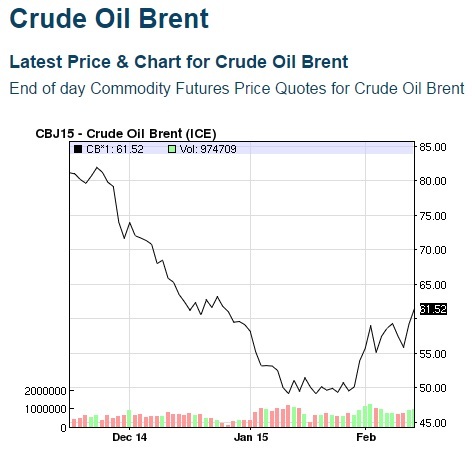
The price of oil has made a recent comeback from its historic lows, but oil is still far cheaper than what it used to be just a year ago. The stock analysts certainly think it’s a big deal, as we hear about the rise and fall of oil on a daily basis, but what is the true effect on the price of oil? Should we be rooting for a continued low price or a high one? Which one is best for our long-term success?
Source: Nasdaq.com
The Low Cost of Oil For the Consumer
To be completely honest, I have been loving the money savings at the pump each time I roll up. Gas was not really that big of an issue for me before, since I drive a gas-sipping Honda Civic and my drive to work is only about 8 miles, but filling my tank for less than $20 has made me exceptionally happy during these fall and winter months of 2014.
I dare say that you have had the same experience as well. According to the experts, the average American citizen has saved over $1,800 at the pump last year, which is like putting that cash money directly into your pocket. Now THAT’s a nice chunk of change! It is pretty safe to say that this decrease in the price of oil has been an excellent benefit for the consumers.
The Low Cost of Oil for the United States
What is good for the consumer is not necessarily good for the United States as a whole. First of all, the United States is the largest producer of oil in the world (seems strange right? But totally true!), so the decrease in oil prices are hindering the domestic oil production companies. Beyond this though, stems an even larger problem for the United States that many are not yet seeing.
While I don’t want to get too technical in this post, I want to help you understand the long-term impacts of this extreme drop in oil prices. We have already established that the falling oil prices has negatively impacted the United States’ oil companies, and it has definitely hurt some, but this one shift is not really harming the overall Gross Domestic Product of the United States. However, it is impacting many other countries that depend heavily on the production of oil. This includes the mid-eastern countries and also our friendly neighbor, Canada.
So what does this have to do with the U.S.? Foreign exchange rates. Yeah, I know, nobody wants to talk about FX rates, so I’ll make it quick. Because so many countries have depended on the price of oil to carry their economies, their currencies has fallen with the reducing oil prices, but the U.S. currency has not, making our dollar much stronger than almost every other country out there. This stronger dollar is great if you want to take a vacation to a foreign country because you can buy more stuff, but what will this do to our nation’s exports? It’s going to halt them completely, because who wants to buy expensive American goods? Nobody.
The future U.S. economy is going to be a struggle with a reduced demand for our exports. From this, many foreign companies selling into the U.S. will likely thrive, but sales from the U.S. to outer countries are likely to suffer.
How about you all? What are your investment plans in 2015 and 2016? Does this analysis impact your thoughts?
Share your experiences by commenting below!