
All posts by Jacob A Irwin
Debt Free Direct Tour de Personal Finance, Stage 10 – Debt Group – Posts 17-24
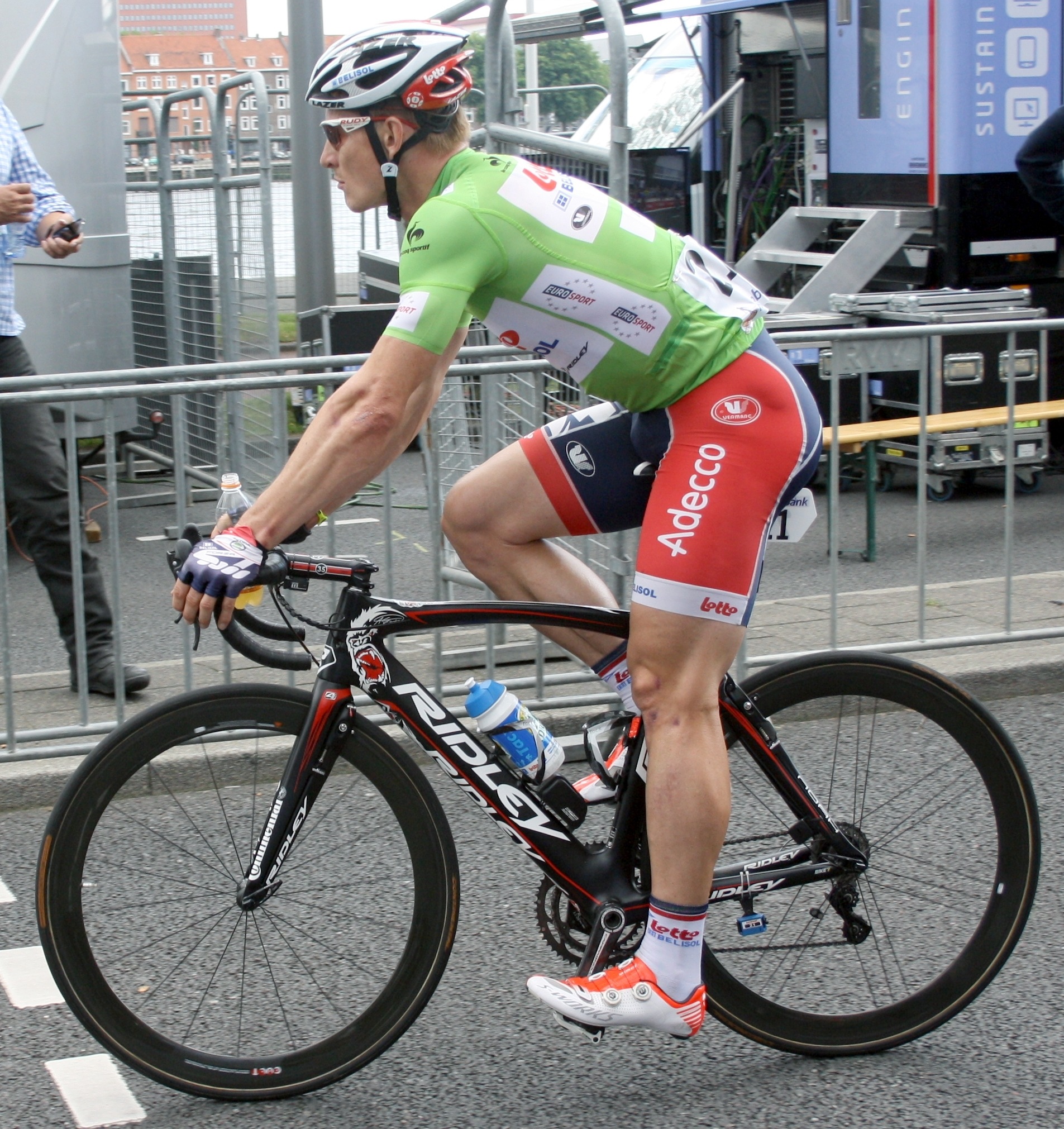 Without further ado, let’s continue on with the 10th Stage (the 2nd Round of the event, featuring posts from the “Debt” group category of articles submitted) of the 2013 Tour de Personal Finance (to follow all of the action, click on the Tour de Personal Finance category link and scroll down to read all the posts involved in this subject).
We greatly appreciate Debt Free Direct for being the title partner of the 2013 event and for all their great support. If you’re interested in learning more about the help and advice Debt Free Direct offers to people in debt or their money-saving tips on how to prevent building up debt, click here.
A Quick Reminder On Prizes For The 2013 Competition
The 2013 edition of the Tour de PF will be doubly exciting because we have some very nice cash prizes to give away to the winner and also to charity to continue helping the community.
These will be as follows:
- Yellow Jersey (1st Place) Winner of the 2013 Tour de Personal Finance will receive $100 cash via PayPal.
- In addition, the Yellow Jersey Winner will also get to decide what charity they want me to donate $700 to in honor of their efforts/victory.
To view the most up-to-date brackets of the competition, click the following link – 2013 Debt Free Direct Tour de PF Bracket
Going along with Tour de France cycling tradition, I’ve listed each competition within each stage as an “intermediate sprint” (one post versus another) along with the description provided by the blog author when the post was submitted.
Also, if applicable, I will give a brief description of the stage of the Tour de France that took place the same day as (or that has happened since the previous Stage of) the competition.
How to Vote
You can vote for the two articles (one from each intermediate sprint) you’d like to see proceed in the Tour by commenting in the comments section below and telling which are your favorites. I’ve listed a keyword after each post title to make it easy to vote (as a made-up example, you can just comment: Sprint 1: Mutual; Sprint 2: 401k, etc.)
Be sure to comment which one you like the best out of each set of two! Criteria for the best article is completely up to you, but you can use these factors as a guide: 1) post of your favorite blogger, 2) most interesting post, 3) most thought-provoking post, 4) most unique post, or 5) most actionable post. Here are today’s competitions:
Voting will continue until July 8th for this Stage!
Intermediate Sprint #1
- Should I Pay Off My Mortgage Early? (Mortgage): If you own a home, a significant portion of your income each month goes towards paying down your mortgage. Although most Americans would rather have no debt and interest payments, with interest rates at record lows, the traditional thinking and logic behind accelerating your mortgage payments may not apply anymore. From the benefits of liquidity and emergency funds to higher yield investments and retirement funding, there are much better ways to use your free cash flow. Stop seeing all debt as bad, and realize that a healthy amount can actually help further your financial goals.
VERSUS
- Credit Card Debt and Drug Addiction: Are They Related? (Addiction): While Dave Ramsey advocates the Debt Snowball method for paying down credit card debt and brain scan studies confirm the notion because of the limbic system’s joy at closing down accounts, nobody really tracks what happens after you close down an account. Specifically, nobody has studied the causes and incidences of relapse, where people who were on the road to becoming debt free suddenly veer off the path and rack up debt again. This article examines the neurological and behavioral similarities between credit card debt and drug addiction and suggests ways in which we can apply lessons learned from helping people with drug addiction to the process of getting out of credit card debt.
Intermediate Sprint # 2
- Which Is Harder: Paying off Debt or Saving Money? (Harder): Every week, I get asked whether someone should pay off their debt first or save instead, and every week I pretty much say the same thing: Go with whichever one makes you feel better. I often wonder afterwards, though, which side – indeed – IS the easiest to accomplish? Is it debt cuz you hate it so much and there’s an absolute number attached to it? Or is it savings cuz having tons of money in the bank is sexy as hell??
VERSUS
- Dealing With Debt: Seven Steps to Debt Busting (Busting): This article is awesome and should win because in it I share the seven ‘easy’ debt management steps that helped us pay off $157,000 worth of debt in three years. These are a combination between changing habits, learning new competencies, and changing our attitudes.
Tour de France Daily Recap
The Tour de France in real life continues today with Stage 7, a flat stage taking the riders 128 miles from Montpellier to Albi. I’ll be sure to bring an update on the race results once it finishes in the Sprints later tonight. Thanks!
***Photo courtesy of http://upload.wikimedia.org/wikipedia/commons/5/5f/WPC_2012f_Andr%C3%A9_Greipel_3.jpg
Debt Free Direct Tour de Personal Finance, Stage 9 – College Finances and Career Groups – Posts 9-16
Without further ado, let’s continue on with the 9th Stage (the first Stage of the 2nd Round of the event, featuring posts from the “College Finances” and “Career” groups category of articles submitted) of the 2013 Tour de Personal Finance (to follow all of the action, click on the Tour de Personal Finance category link and scroll down to read all the posts involved in this subject).
We greatly appreciate Debt Free Direct for being the title partner of the 2013 event and for all their great support. If you’re interested in learning more about the help and advice Debt Free Direct offers to people in debt or their money-saving tips on how to prevent building up debt, click here.
A Quick Reminder On Prizes For The 2013 Competition
The 2013 edition of the Tour de PF will be doubly exciting because we have some very nice cash prizes to give away to the winner and also to charity to continue helping the community.
These will be as follows:
- Yellow Jersey (1st Place) Winner of the 2013 Tour de Personal Finance will receive $100 cash via PayPal.
- In addition, the Yellow Jersey Winner will also get to decide what charity they want me to donate $700 to in honor of their efforts/victory.
To view the most up-to-date brackets of the competition, click the following link – 2013 Debt Free Direct Tour de PF Bracket
Going along with Tour de France cycling tradition, I’ve listed each competition within each stage as an “intermediate sprint” (one post versus another) along with the description provided by the blog author when the post was submitted.
Also, if applicable, I will give a brief description of the stage of the Tour de France that took place the same day as (or that has happened since the previous Stage of) the competition.
How to Vote
You can vote for the two articles (one from each intermediate sprint) you’d like to see proceed in the Tour by commenting in the comments section below and telling which are your favorites. I’ve listed a keyword after each post title to make it easy to vote (as a made-up example, you can just comment: Sprint 1: Mutual; Sprint 2: 401k, etc.)
Be sure to comment which one you like the best out of each set of two! Criteria for the best article is completely up to you, but you can use these factors as a guide: 1) post of your favorite blogger, 2) most interesting post, 3) most thought-provoking post, 4) most unique post, or 5) most actionable post. Here are today’s competitions:
Voting will continue until July 7th for this Stage!
Intermediate Sprint #1
- You Know What Really Sucks? Cubicles. (Cubicles): I used to drive a $400 car, live in a cramped apartment and wear only thrift-store clothes. When people hear me tell stories from those days, they say: “Wow, your life must have sucked.” You know what really sucks? Cubicles. Consumer debt. Getting shackled due to overspending. THAT sucks much more than an ugly car.
VERSUS
- How Coming Health Insurance Exchanges Will Drastically Impact Career And Retirement Decisions (Insurance): In the coming months, the first Health Insurance Exchanges will open, and along with them will begin a new era of personal finance decisions. For the first time, having a job to get onto an employer’s health insurance plan will no longer be a necessary requirement to have access to health insurance. Instead, anyone will be able to get health insurance from a state exchange, guaranteed, without any limitations for pre-existing conditions or the risk of cancellation due to health changes. While figuring out how to afford coverage will still be a challenge for many – though there are new premium assistance tax credits and cost-sharing subsidies to help – at the most basic level, the question simply becomes: “If you were assured of having access to health insurance and you (or your spouse) didn’t have to work where you do in order to get access to it, would you still be working and doing what you are doing now?” If your answer is “no” – welcome to the new world of health insurance!
Intermediate Sprint # 2
- My Husband is Now WORKING FROM HOME WITH ME!!! (Husband): It’s important to work out a plan before leaping into self-employment. It’s even more important when that entrepreneurial spirit hits both of the income earners of the household. But after running the numbers, looking at worst case scenarios, and mulling the idea over…it was time for us to put on our big girl panties and jump in.
 Here’s the post about the excitement and fear when we officially put all of our financial eggs in one basket and happily skipped away into the unknown…
 Here’s the post about the excitement and fear when we officially put all of our financial eggs in one basket and happily skipped away into the unknown…

VERSUS
- FAFSA.com Scam – 2.1 Million Students Potentially Ripped Off! (Scam): In January 2012, we exposed FAFSA.com as a For Profit Company misleading millions of students and charging them to complete the free FAFSA.gov application. The immoral marketing tactics including a very misleading domain name were exposed by this article. The article drew anger from the company and stories of students being ripped off by this company.
Tour de France Daily Recap
The Tour de France in real life continued today with Stage 6, a flat stage taking the riders 110 miles from Aix-en-Provence to Montpellier. Despite some very strong cross-winds in today’s Stage, the race finished with a bunch sprint. The big sprinter from Germany, Andre Greipel, took the win ahead of Mark Cavendish, Marcel Kittel, and Peter Sagan.
Debt Free Direct Tour de Personal Finance, Stage 9 – Side Hustle and Career Groups – Posts 1-8

 Without further ado, let’s continue on with the 9th Stage (the first Stage of the 2nd Round of the event, featuring posts from the “Side Hustle” and “Career” groups category of articles submitted) of the 2013 Tour de Personal Finance (to follow all of the action, click on the Tour de Personal Finance category link and scroll down to read all the posts involved in this subject).
We greatly appreciate Debt Free Direct for being the title partner of the 2013 event and for all their great support. If you’re interested in learning more about the help and advice Debt Free Direct offers to people in debt or their money-saving tips on how to prevent building up debt, click here.
A Quick Reminder On Prizes For The 2013 Competition
The 2013 edition of the Tour de PF will be doubly exciting because we have some very nice cash prizes to give away to the winner and also to charity to continue helping the community.
These will be as follows:
- Yellow Jersey (1st Place) Winner of the 2013 Tour de Personal Finance will receive $100 cash via PayPal.
- In addition, the Yellow Jersey Winner will also get to decide what charity they want me to donate $700 to in honor of their efforts/victory.
To view the most up-to-date brackets of the competition, click the following link – 2013 Debt Free Direct Tour de PF Bracket
Going along with Tour de France cycling tradition, I’ve listed each competition within each stage as an “intermediate sprint” (one post versus another) along with the description provided by the blog author when the post was submitted.
Also, if applicable, I will give a brief description of the stage of the Tour de France that took place the same day as (or that has happened since the previous Stage of) the competition.
How to Vote
You can vote for the two articles (one from each intermediate sprint) you’d like to see proceed in the Tour by commenting in the comments section below and telling which are your favorites. I’ve listed a keyword after each post title to make it easy to vote (as a made-up example, you can just comment: Sprint 1: Mutual; Sprint 2: 401k, etc.)
Be sure to comment which one you like the best out of each set of two! Criteria for the best article is completely up to you, but you can use these factors as a guide: 1) post of your favorite blogger, 2) most interesting post, 3) most thought-provoking post, 4) most unique post, or 5) most actionable post. Here are today’s competitions:
Voting will continue until July 7th for this Stage!
Intermediate Sprint #1
- Earning Quick Cash – Ways to Earn $100 in a Day Legally Without Investment (Cash): Various tips to earn quick cash in a day without investment. This article is a compilation of bloggers feedback and lists ways to earn $100 in a day legally and without a single penny of investment.
VERSUS
- Think Like An Entrepreneur (Think): Having the mindset and thinking like an entrepreneur is the #1 key to success in life.
Intermediate Sprint # 2
- Confessions of a Professional Blogger: Why I Don’t Have High Paying Freelance Jobs (Confessions): I’ve been raising my rates, but I’m still not in the “big money” range as a professional blogger. Here’s why I don’t have high paying freelance jobs.
VERSUS
- How to Become Self-Employed Like These Top Bloggers (Bloggers): Everyone dreams of becoming self-employed sometimes. These top bloggers did it! Hear their stories and see how they set themselves up for financial success post-employment.
Tour de France Daily Recap
The Tour de France in real life continues today with Stage 6, a flat stage taking the riders 110 miles from Aix-en-Provence to Montpellier. I’ll be sure to bring an update on the race results once it finishes in the Sprints later tonight. Thanks!
***Photo courtesy of http://farm9.staticflickr.com/8127/8756035817_8df9a09690_o.jpg
Barclays Pulled Into Money Laundering Case

 The following is a guest post. Enjoy!
Just when Barclays was trying to rebuild its reputation, its name gets dragged through the mud once more. But this time, it’s not their fault. After a notification from the US authorities, Barclays has been helping the investigation of America’s biggest ever recorded money laundering business. Using 45 bank accounts in total, Liberty Reserve successfully laundered more than £4bn in criminal cash.
It’s estimated that millions of users worldwide used Liberty Reserve to launder money. 200,000 were from the US. It processed more than 12 million financial transactions a year. Barclays is not being blamed for this offence by the US authorities. In a statement, Barclays said that it’s doing all that it can to aid the investigation.
Transform?
This case has occurred while the current chief executive, Antony Jenkins, is trying to clean up the bank’s public character, under a new ‘Transform’ programm. This is bad timing to get linked with one of the greatest money laundering businesses ever seen.
An International Project
Seven people were involved and helping criminals conduct illegal fiscal transactions. 17 bank accounts were held in Cyprus, and Liberty Reserve’s founder, Arthur Burdovsky, held a personal bank account with Barclays in Spain, from 2009 (and was suspended a week ago). Hence, why Barclays is getting involved.
Burdovsky (born in Ukraine), had been charged in 2006 in the US with running an unlicensed money transfer service. He had been given a suspended five year sentence.
The Liberty Reserve project laundered the illicit funds that were linked to a whole host of contemptible crimes, from child pornography to developing hacking software for breaking into banks.
Everyone Has Dirt On Their Hands
Many Eurozone members have long considered Cyprus a tax avoidance haven and a hotspot for money laundering. Even so, Cyprus was bailed out earlier this year to the tune of £8.4bn by the EU nations and the International Monetary Fund (IMF).
Last June, Barclays was fined £290m by UK and US moderators, after they were found guilty of manipulating Libor. This led to three resignations at Barclays, including that of chief executive, Bob Diamond. When even the church is denouncing you publicly as a morally corrupt institution, something has gone horribly wrong.
Money Laundering
So, what is money laundering? It’s the process whereby criminals hide their illegal activities by making it seem as if their cash has emanated from a legitimate source. Not only can you face severe criminal sentences if you partake in money laundering, but you will face severe ramifications if you even have the slightest suspicion that it’s taking place and you don’t report it to the police. For further information, view this site for more information regarding money laundering and how you can protect yourself against it.
Yup, the authorities come down hard on anyone even remotely involved…regardless of whether they’re truly aware of the illegal process. Even suspicion can condemn you.
The amount of money that’s laundered through the UK every year is thought to stand at £48bn. That’s 2% of Britain’s total GDP.
***Photo courtesy of http://farm6.staticflickr.com/5024/5857345827_361755da6a_o.jpg
Debt Free Direct Tour de Personal Finance, Stage 8 – Lifestyle Group – Posts 61-64

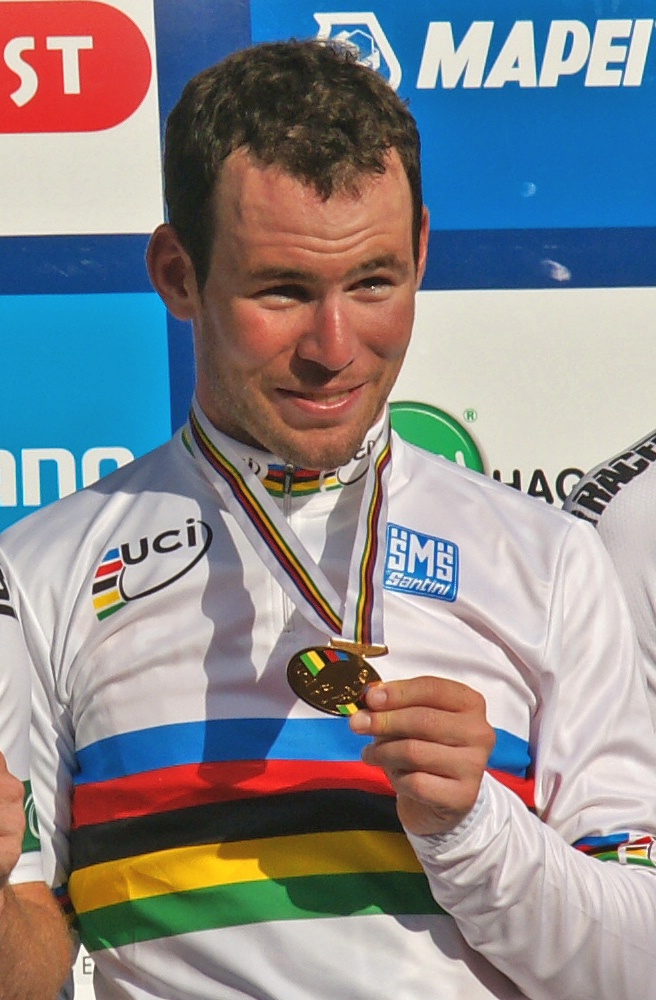 Without further ado, let’s continue on with the 8th Stage (featuring posts from the “Lifestyle” category of articles submitted) of the 2013 Tour de Personal Finance (to follow all of the action, click on the Tour de Personal Finance category link and scroll down to read all the posts involved in this subject).
We greatly appreciate Debt Free Direct for being the title partner of the 2013 event and for all their great support. If you’re interested in learning more about the help and advice Debt Free Direct offers to people in debt or their money-saving tips on how to prevent building up debt, click here.
A Quick Reminder On Prizes For The 2013 Competition
The 2013 edition of the Tour de PF will be doubly exciting because we have some very nice cash prizes to give away to the winner and also to charity to continue helping the community.
These will be as follows:
- Yellow Jersey (1st Place) Winner of the 2013 Tour de Personal Finance will receive $100 cash via PayPal.
- In addition, the Yellow Jersey Winner will also get to decide what charity they want me to donate $700 to in honor of their efforts/victory.
To view the most up-to-date brackets of the competition, click the following link – 2013 Debt Free Direct Tour de PF Bracket
Going along with Tour de France cycling tradition, I’ve listed each competition within each stage as an “intermediate sprint” (one post versus another) along with the description provided by the blog author when the post was submitted.
Also, if applicable, I will give a brief description of the stage of the Tour de France that took place the same day as (or that has happened since the previous Stage of) the competition.
How to Vote
You can vote for the two articles (one from each intermediate sprint) you’d like to see proceed in the Tour by commenting in the comments section below and telling which are your favorites. I’ve listed a keyword after each post title to make it easy to vote (as a made-up example, you can just comment: Sprint 1: Mutual; Sprint 2: 401k, etc.)
Be sure to comment which one you like the best out of each set of two! Criteria for the best article is completely up to you, but you can use these factors as a guide: 1) post of your favorite blogger, 2) most interesting post, 3) most thought-provoking post, 4) most unique post, or 5) most actionable post. Here are today’s competitions:
Voting will continue until July 6th for this Stage!
Intermediate Sprint #1
- Is Money the Only Measure of Success? (Success): An all time favorite, this article reminds readers of what’s really important. Money offers freedom and the ability to buy things and experiences. Learn the secret to true wealth and grasp how to define what success is for you.
VERSUS
- 10 Wealth Creation Habits (Habits): Saving is great, and so is making money. But the bottom line is creating WEALTH, and this post shares 10 tips on how to increase wealth.
Intermediate Sprint # 2
- 10 Things I Don’t Get (Things): Do you ever wonder why people do things that, to you, are the same as flushing money down the toilet? Here’s my list of ten time and money wasters.
VERSUS
- Key to Saving Money is Controlling Impulse Spending (Impulse): Impulse spending can wreck your finances and prevent you from saving money for other things like retirement. By learning how to identify the triggers for impulse purchases you can limit their impact on your ability to save money!
Tour de France Daily Recap
The Tour de France in real life continued today with Stage 5, a flat stage taking the riders 142 miles from Cagnes-sur-Mer – Marseille. As expected, the Stage ended in a bunch sprint, with the number one sprinter in the world, Mark Cavendish, taking the win! Way to go Mark!
***Photo courtesy of http://upload.wikimedia.org/wikipedia/commons/5/55/Mark_Cavendish_2011.jpg
Which Money-Saving Smart Phone Apps Do You Use?

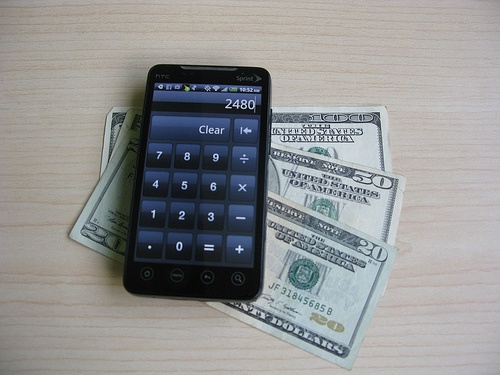 The following post is by MPFJ staff writer, Kelly Gurnett. Kelly runs the blog Cordelia Calls It Quits, where she documents her attempts to rid her life of the things that don’t matter and focus more on the things that do. You can also follow her on Twitter and Facebook.
In today’s world, there’s little our smartphones can’t do.
They help us stay on task, stay connected, and stay amused while waiting at the doctor’s office. (I don’t care how many times I’ve played Scramble With Friends; it’s still addicting!)
But, are you using your phone for all it’s worth? Is it saving you as much money as it’s saving you time and energy?
If not, you’ll want to check out these great apps that can help you cut back in all sorts of ways:
Shopping/Coupon Apps
Grocery iQ. (iPhone and Android). Turn your grocery list digital by searching for items or scanning the bar code of items currently in your pantry. Grocery iQ lets you arrange items by store layout for quicker shopping, save frequently bought items for easy addition to future lists, search for matching coupons, and synchronize lists across multiple devices. (Husband has just used the last of the milk? He can just update the list on his phone, and you’ll see it even as you head down the aisles!)
Grocery Pal. (Get iPhone version here and Android version here.) If you’re the sort that likes to make multi-store runs to snag whichever items are cheapest at different stores, this is the app for you. It scans local grocery stores and mass retailers for current specials. You can either shop by store or, if you already have a list prepared, see where each item on your list is the cheapest.
Apples2Oranges. (iPhone only.) One thing savvy shoppers know is that to find the best price for an item, you’ve gotta look at the unit price. That “value-sized” bottle of detergent may actually cost more per ounce than the smaller bottle that’s on sale. If you’re lucky, your store will put the unit price in the upper corner of the price card on the shelf. But if they don’t, this app’s got your back. (For a similar app for Android devices, try the A2A Unit Price Calculator.)
RedLaser. (iPhone and Android.) When your shopping consists not of food but of things like clothes, toys, and other goods, RedLaser helps you comparison shop much like Grocery Pal. Simply scan an item’s barcode, and you’ll see where you can find it at the best price (be it at a physical store or online). You’ll also see if any deals are currently available for the item.
CardStar. (Get iPhone version here and Android version here.) De-bulk your wallet by importing all of your store loyalty cards right into your phone. You can scan the cards’ barcodes with your camera and then have the cashier scan the bar code on your phone at checkout, instead of fumbling through stacks of rewards cards.
Dining Apps
Foursquare. (iPhone and Android.) Sure, it’s fun becoming the “mayor” of somewhere, but did you also know that Foursquare can snag you some good deals? The more you check in at your favorite places, the more deals and specials you’re likely to get, like a free appetizer at your local bar pub or a percent off coupon code.
KidsMealDeals. (iPhone and Android.) Let’s face it; eating out with kids can be expensive, even when they order off the kids’ menu. This handy app lets you check local restaurants for kids’ meal specials or kids eat free days based on the day of the week.
Happy Hours. (Get iPhone version here and Android version here.) For a more adult bent, this app shows you what food and drink specials are going on in your area and also gives you extra details to help you decide which place to choose: menus, amenities, and reviews by users who can vote for their favorite hot spots.
Dining Deals. (Android only.) Check out which area restaurants are currently offering deals, set up alerts for deals from your favorite places, even share deals with friends through text or email. (For a similar app for iPhone devices, try BiteHunter.)
Miscellaneous
GoodRX. (Get iPhone version here and Android version here.) You may not have realized prescription drug costs can vary from pharmacy to pharmacy, but they can—and this app can help you find where your meds are the cheapest (even with insurance).
GasBuddy. (iPhone and Android.) Hate it when you fill up the tank only to discover the station down the road has gas for a lower price? This app helps avoid that frustration by showing you the current prices at various area pumps. (Prices are reported by users, and each time you report a price, you earn points towards prize giveaways.)
C*Mobile Craiglist Client. (Android only; iPhone version has recently been removed from iTunes.) Okay, so apps are great for retail shopping, but you’re on your own for your weekend garage sailing, right? Not necessarily. With this app, you can see local Craigslist listings, get directions, and even communicate with posters.
How about you all? What other money-saving apps are on your must-have list? Do you use any of the ones listed here?
Share your experiences by commenting below!
***Photo courtesy of www.flickr.com/photos/54450095@N05/9070772122/in/photolist-ePy5wN-v8Qw2-e9EcFQ-HBv9b-4U21qC-b75Gxn
Debt Free Direct Tour de Personal Finance, Stage 8 – Frugal Living and Lifestyle Groups – Posts 57-60

 Without further ado, let’s continue on with the 8th Stage (featuring posts from the “Frugal Living” and “Lifestyle” categories of articles submitted) of the 2013 Tour de Personal Finance (to follow all of the action, click on the Tour de Personal Finance category link and scroll down to read all the posts involved in this subject).
We greatly appreciate Debt Free Direct for being the title partner of the 2013 event and for all their great support. If you’re interested in learning more about the help and advice Debt Free Direct offers to people in debt or their money-saving tips on how to prevent building up debt, click here.
A Quick Reminder On Prizes For The 2013 Competition
The 2013 edition of the Tour de PF will be doubly exciting because we have some very nice cash prizes to give away to the winner and also to charity to continue helping the community.
These will be as follows:
- Yellow Jersey (1st Place) Winner of the 2013 Tour de Personal Finance will receive $100 cash via PayPal.
- In addition, the Yellow Jersey Winner will also get to decide what charity they want me to donate $700 to in honor of their efforts/victory.
To view the most up-to-date brackets of the competition, click the following link – 2013 Debt Free Direct Tour de PF Bracket
Going along with Tour de France cycling tradition, I’ve listed each competition within each stage as an “intermediate sprint” (one post versus another) along with the description provided by the blog author when the post was submitted.
Also, if applicable, I will give a brief description of the stage of the Tour de France that took place the same day as (or that has happened since the previous Stage of) the competition.
How to Vote
You can vote for the two articles (one from each intermediate sprint) you’d like to see proceed in the Tour by commenting in the comments section below and telling which are your favorites. I’ve listed a keyword after each post title to make it easy to vote (as a made-up example, you can just comment: Sprint 1: Mutual; Sprint 2: 401k, etc.)
Be sure to comment which one you like the best out of each set of two! Criteria for the best article is completely up to you, but you can use these factors as a guide: 1) post of your favorite blogger, 2) most interesting post, 3) most thought-provoking post, 4) most unique post, or 5) most actionable post. Here are today’s competitions:
Voting will continue until July 6th for this Stage!
Intermediate Sprint #1
- 5 Ways to Save Money and Energy without Even Trying (Ways): This article is a grass-roots message reminder to all those who want to save energy AND money but who do not understand how fundamentally simple this can be. Some of these recommendations are so simple many do not realize the level of their efficacy. Key secrets to saving both energy and money include implementing the simple steps first and this is where most people fail. The importance of this article shines among many that confuse with verbose technicality. Our energy industry has made several advances that many folks simply have not had the time to catch up on.It is important when trying to relay strategies like these, not to bore at length, and give the people what they want and need, short concise actionable effective tips. We feel this article does precisely that!
VERSUS
- Wine Retail Price Dispersions: A Closer Look into Wine Economics in the United States (Wine): Have you ever gone to a store to purchase wine one day and it’s a certain price, then go to buy the same wine in a different store later and you notice it is a few dollars more expensive? Why is it that wine prices are so variable from shop to shop in the United States? This post dissects recent research into what creates these differences and how price dispersion is able to persist in the US market.
Intermediate Sprint # 2
- Make Life Better For Yourself: Change Your Attitude (Attitude): Your life is pretty much a reflection of your attitude to it, so if your life isn’t going as well as you would like, it’s possibly time to check your attitude. Attitude determines how we view the world; so a bad attitude will make you see the problems in any situation, including ones that don’t exist. Have you noticed than when you feel good, the world around you seems good too? Conversely, when you feel low or in a bad mood, everything seems to go wrong with your day. This shows you how important your attitude is, in making your life better for yourself.
VERSUS
- 10 Simple Ways to Suck at Life (Life): Ever wanted to know exactly what you need to do to make sure you fail at everything? Ever wanted to know what do to the exact opposite of to succeed? It’s all right here, in these handy, easy to follow, steps.
Tour de France Daily Recap
The Tour de France in real life continues today with Stage 5, a flat stage taking the riders 142 miles from Cagnes-sur-Mer – Marseille. I expect it to end up with a bunch sprint at the finish line. The Stage is going on right now, so I’ll be sure to bring everyone an update when the last of the 1st Round posts go live later tonight. Thanks!
***Photo courtesy of http://farm9.staticflickr.com/8503/8407195687_c54d338a8d_b.jpg
Charity Finances in Uncertain Times

 The following is a guest post. Enjoy!
Warning! The following statement may be entirely unsurprising: charities have been affected by the recession…badly.
A drop in income has been matched with a rise in demand for charitable services, after the government continues to cut important aid to vulnerable families and individuals throughout the world. Matched with job scarcity, the bedroom tax, and fewer welfare benefits, many people have found themselves leaning on charities that just don’t have the resources to support them.
Charities have been attempting to reduce costs, as a result of the recession, and many are boosting their fundraising efforts, in a bid to recuperate their losses. In order to keep humanitarian efforts running, staff members have been made redundant in many organisations. All the while, the number of people who need aid increases.
With such a large challenge ahead, a minority have considered joining forces, to ride out the recession storm. This is surprising, considering that pooling resources and skills can help keep charities healthy, during financially difficult times.
Although things got off to a good start at the beginning of the recession, the amount of individual donations has fallen in recent years by 20% (which accounts for a several billion Dollar reduction in funds for charities across the country).
As things stand, two out of five charities face closure by next year. One in three fear they will have to cut services, just when the public needs them most. The government is increasingly letting charities catch the public’s fall, but without support, these organisations don’t have the financial means of giving families the help they need.
In the coalition’s first few years of office, an additional 900,000 people fell below the poverty line, including 300,000 more children – all from working households. As the seventh richest country in the world, we’ve seen those living in poverty increase by almost one million. And charities are taking the strain.
What’s The Government Doing?
Charities largely rely on the financial support of the government, but with £5 billion cut from their third sector spending budget, not-for-profit organisations are struggling to balance the books.
As a result, the NSPCC has launched an emergency appeal, because levels of domestic violence have increased, while their income has dropped by 15%. Food banks have seen an unprecedented level of families needing aid, as many people drop below the poverty line.
The chancellor, George Osborne, has expressed a wish for the public to up their donations. He hopes that it will become de rigueur for people to leave 10% of their wills to charitable causes. The inheritance tax has also been lowered for those who leave money for not-for-profit organisations, from 40% to 36%.
However, with years of austerity grinding the public into the ground, and rising resource prices continuing to cause financial difficulty, can we expect the UK to dig into their pockets, when the state – that is responsible for the current levels of national poverty – continues to slash welfare and third sector aid.
How about you all? Has the recession since 2008-2009 affected the amounts that you donate to charity each year?
Share your experiences by commenting below!
***Photo courtesy of http://upload.wikimedia.org/wikipedia/commons/3/3c/Charity_work.JPG
Debt Free Direct Tour de Personal Finance, Stage 7 – Frugal Living Group – Posts 53-56

Without further ado, let’s continue on with the 7th Stage (featuring posts from the “Frugal Living” category of articles submitted) of the 2013 Tour de Personal Finance (to follow all of the action, click on the Tour de Personal Finance category link and scroll down to read all the posts involved in this subject).
We greatly appreciate Debt Free Direct for being the title partner of the 2013 event and for all their great support. If you’re interested in learning more about the help and advice Debt Free Direct offers to people in debt or their money-saving tips on how to prevent building up debt, click here.
A Quick Reminder On Prizes For The 2013 Competition
The 2013 edition of the Tour de PF will be doubly exciting because we have some very nice cash prizes to give away to the winner and also to charity to continue helping the community.
These will be as follows:
- Yellow Jersey (1st Place) Winner of the 2013 Tour de Personal Finance will receive $100 cash via PayPal.
- In addition, the Yellow Jersey Winner will also get to decide what charity they want me to donate $700 to in honor of their efforts/victory.
To view the most up-to-date brackets of the competition, click the following link – 2013 Debt Free Direct Tour de PF Bracket
Going along with Tour de France cycling tradition, I’ve listed each competition within each stage as an “intermediate sprint” (one post versus another) along with the description provided by the blog author when the post was submitted.
Also, if applicable, I will give a brief description of the stage of the Tour de France that took place the same day as (or that has happened since the previous Stage of) the competition.
How to Vote
You can vote for the two articles (one from each intermediate sprint) you’d like to see proceed in the Tour by commenting in the comments section below and telling which are your favorites. I’ve listed a keyword after each post title to make it easy to vote (as a made-up example, you can just comment: Sprint 1: Mutual; Sprint 2: 401k, etc.)
Be sure to comment which one you like the best out of each set of two! Criteria for the best article is completely up to you, but you can use these factors as a guide: 1) post of your favorite blogger, 2) most interesting post, 3) most thought-provoking post, 4) most unique post, or 5) most actionable post. Here are today’s competitions:
Voting will continue until July 5th for this Stage!
Intermediate Sprint #1
- Financial Lessons Learned from The Bachelor (Bachelor): I’m a fan of the TV show, The Bachelor, on ABC. After a few episodes, I realized that not only is the show about finding love, it can teach us about investing, debt and general personal finance as well. So what financial lessons has The Bachelor taught you?
VERSUS
- Five Sneaky Ways To Save Hundreds When Selling Your Car (Car): We all typically understand negotiating tactics needed to sell your car for the most money possible. But, there are also other more sneaky ways to save money when selling your car such as delaying maintenance, delaying your next loan payment, or even showing up with an empty gas tank. How far will you go to get the most out of your old car when it is time to sell it?
Intermediate Sprint # 2
- I Make $100,000 And Live Paycheck To Paycheck (Paycheck): It’s hard to make $100,000. What’s even harder is figuring out how to manage it so you keep more of what you make. More and more, the lifestyles of American families tend to expand to match their incomes. This is why although we have highest average wage earners in the history of our country, we have more and more people who make six figures and sadly spend it all. How has it become so difficult to live on what used to be considered a wealthy income family. Find out more . . . .
VERSUS
- Why It May Cost You More When It’s Free (Free): We’re all dazzled by the word “free,” but have you ever stopped to think about the costs tied to getting something for free? Free shipping or free items when your purchase reaches a certain dollar amount is great–if you’re already planning to spend that amount of money, but when you’re not? And what about all of the extra “free” stuff you’re collecting that you really don’t need? There’s psychology behind our strong urge to get something for free–even if we don’t need it–and there are ways we can combat our irrational thinking.
Tour de France Daily Recap
The Tour de France in real life continued today with Stage 4, the team time trial. It was a very short event at only 15 miles, and due to a strong head-wind, there weren’t any real dramatic gaps or surprises. The Orica Greenedge Team pulled out a 1 second gap in the end over the Quick Step team to win the stage. Because the time gaps were so close going in to the Stage, the winner of yesterday’s Stage, Austrailian Simmon Gerrans of Orica Greenedge, got to pull on the Yellow Jersey!
Early Retirement Risks – And How to Prepare for Them

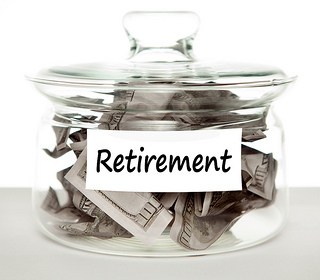 The following is a post by MPFJ staff writer, Kevin Mercadante, who is a professional personal finance blogger, and the owner of his own personal finance blog, OutOfYourRut.com. He has backgrounds in both accounting and the mortgage industry.
Millions of people hope to enjoy the benefits of early retirement.
It’s opportunity to change the course of your life, from a career focus to one is based on taking on new challenges while kicking back a bit. But, early retirement is not a risk-free proposition. Below are some of the risks you could face in early retirement, plus some strategies to help you deal with them.
A major stock market decline
Since 2000, we’ve had two major stock market declines, so this is more than just a remote possibility. If you retire sometime in your 50’s, the likelihood of a major decline or even a crash is even higher since your retirement portfolio will need to cover more years.
Diversify your investments. The best protection against a major decline in stock prices is to have at least some of your money invested outside the market. This will become even more important as you get older. If 50% of your money is in stocks, and the other 50% is in fixed income investments, and the market sustains a 50% drop, your portfolio will only lose 25% of its value (50% of the half is invested in stocks).
Keep some non-retirement investments. What can really hurt retirees in a major stock market decline are the twin siphons of falling equity values, and withdrawing money from your portfolio for living expenses. You should have some investments held outside of your primary retirement portfolio that you can tap during a major market decline. Not only will that keep you from drawing down on a declining portfolio, but it will also prevent you from having to sell off positions at the bottom of the market.
Have backup job or business skills to fall back on. At the extreme, you may need to spend some time earning a living in order to offset the losses you have taken in your portfolio, particularly if they have been severe. And you can also use employment income to help you avoid taking withdrawals from your retirement plan during the market decline.
Inflation
Inflation is a major threat to retirement, particularly for an early retiree. We all know what inflation has done over the past 30 years, now imagine that you retire at 55 and will need to provide for yourself for the next 30 years. It can get messy.
The “seek withdrawal rate”. Loose theories have shown that if you withdraw no more than 4% per year of a portfolio that is invested largely in the stock market, then you’ll never run out of money. This is because the average annual rate of return on stocks has been in the 8% range for the past 100 years.
Continue investing in stocks. Since inflation will always be a threat to your portfolio, you will not have the luxury of moving all or even most of your money into fixed income investments. Even as you move into your 60’s and 70’s, you’ll need to have a substantial amount of your portfolio invested in stocks. Long-term, growth is the best remedy for inflation.
Look to inflation sensitive investments. There are certain investment classes that tend to thrive in periods of high inflation. Stocks related to energy and precious metals are the historic front-runners. These will merit consideration in the event inflation begins to heat up.
Health insurance before you’re old enough for Medicare
If you retire prior to age 65, health insurance will be an issue. You’ll become eligible for Medicare when you turn 65, but you’ll need to provide for your own health insurance if you retire at an earlier age.
The Affordable Care Act is taking effect right now, and though the details are unclear, there is some evidence that the bill will go a long way toward helping people over 50 obtain more affordable health insurance. There is even an alleged breaking point at age 57 – that is the age at which you get the price benefit that will be paid by younger contributors to the system.
But, since we don’t know yet how the Affordable Care Act will play out, you have to consider other options.
Take a catastrophic health plan. This will keep your monthly premiums to a minimum. You might take a deductible of say $10,000, which you can offset by having an equal amount of liquid assets. The important thing is that you will have coverage for medical disasters that might threaten your financial position.
Take a part-time job with health insurance coverage. There are companies (Starbucks and Target among them) that offer health insurance for part-time employees. But another benefit of the Affordable Care Act is that under the law, employers will have to provide health insurance coverage for any employee who works a minimum of 30 hours per week. This is not a perfect solution to the health insurance dilemma, but it can be an option if maintaining a private plan will be too expensive.
How about you all? If you are planning for early retirement, have you considered any of the above risks? If so, what are you doing to address them?
Share your experiences by commenting below!
***Photo courtesy of http://www.flickr.com/photos/76657755@N04/7027606047/