

- You are here:
- Home »
- Blog »
- Uncategorized »
- 4 Questions to Ask Yourself Before Buying Your First Rental Property
Groups I Am a Part Of



4 Questions to Ask Yourself Before Buying Your First Rental Property
 The following post is by MPFJ staff writer, Laurie Blank. Laurie is a wife, mother to 4 and homesteader who blogs about personal finance, self-sufficiency and life in general over at The Frugal Farmer. Part witty, part introspective and part silly, her goal in blogging is to help others find their way to financial freedom and to a simpler, more peaceful life.
There’s a certain appeal about owning and managing rental properties as a source of semi-passive income. Brick and mortar book stores, online websites and late night infomercials boast a luxury life where rental property owners do very little work and spend all day cruising around in their yachts, heading off to exotic destinations while the money just magically appears in their bank accounts.
The truth about rental property ownership is that there’s a little more to it than just buying a house and collecting rent checks. Before you jump into purchasing a rental property, it might be a good idea to ask yourself some questions such as the ones listed below.
Do I Thoroughly Understand How the Rental Property Business Works?
Before purchasing a rental property, it’s smart to educate yourself on how the rental property business works. What are the laws regarding tenants and evictions? What responsibility does a rental property owner have in terms of keeping the property in good condition? How can a property owner proceed legally if rent isn’t paid?
There are many legal and financial obligations surrounding rental properties that you should know about before jumping head first into this popular business venture. Checking out books by experts on the subject and reading past the benefits and discovering the risks will help ensure you don’t go into rental property ownership with rose-colored glasses or without an understanding of what your legal rights are – and what the legal rights of tenants are.
Does the Property Make Financial Sense to Purchase?
In other words, does the property “cash flow”? Will the property net you an income each month after the mortgage and taxes are paid, and additional money is subtracted for potential repairs and to cover potential vacancies?
One mistake many first time rental property owners make is that they buy a property based on potential appreciation of that property and don’t consider the cash flow aspect. However, assessing the cash flow potential of the property will help you avoid getting into a situation where a rental property is costing you money instead of making you money.
As you assess the price and maintenance costs of a property, it’s a smart idea to balance that with average rental costs in the area the home is located in so you have a good idea of what a reasonable monthly rent expectation is. Knowing what rent you can expect for the location, size and condition of the property will help you better determine whether or not the property will cash flow. If it won’t, you might want to offer a lower bid or avoid the property altogether.
Do I Understand the Financial Responsibilities of Purchasing/Owning the Home?
Purchasing a rental property will cost money out of your pocket if you don’t have an investor waiting in the wings to cover the costs. Most mortgage lenders require 20% to 25% down on rental property purchases.
Also, many properties require upfront repairs and modifications to make the home ready for tenants. If the home has a homeowners association (such as a condominium or townhome) there will be monthly HOA costs and potential larger costs for replacement items such as roofs. And let’s not forget the aforementioned vacancy costs and home repair costs. If the home is vacant for any length of time, the monthly mortgage payment on the property comes out of your pocket. If the water heater goes out, you as the property owner are responsible for paying for a replacement.
Knowing all of the financial responsibilities before you buy will help you be prepared to shell out the cash needed to buy and maintain the property.
What’s My Plan if I Discover Rental Property Ownership Isn’t for Me?
Many investors have bought into the real estate rental game only to discover they weren’t cut out for the business. If that happens to you, what is your plan? Will you have a rental management team take over? If so, how will that cost affect your bottom line? Will you sell to another investor? If so, how will realtor’s fees and closing costs affect you financially?
It’s good planning to have an exit strategy mapped out before you purchase your first rental property so that you can work to absolve yourself of the property with minimal financial and other ramifications.
Rental property investments can be a great way to grow your wealth, provided you know what you’re getting into before you buy that first property. Spend plenty of time educating yourself on the ins and outs of rental property ownership before you invest, so that your experience as a real estate investor will be a good one.
How about you all? Do you think owning a rental property would be right for you?
Share your experiences by commenting below!
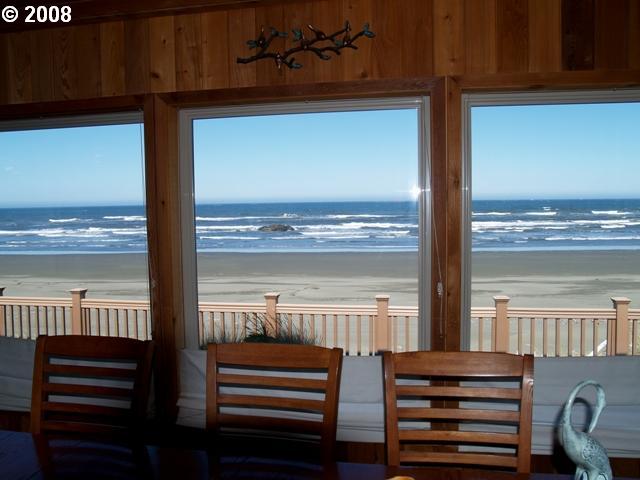
***Photo courtesy of https://www.flickr.com/photos/gold-beach-real-estate/4641338334/sizes/o/
About the Author Jacob A Irwin
Hi folks! My name is Jacob. I am the owner and operator of My Personal Finance Journey. I started this blog in January of 2010 and have enjoyed the journey ever since. Since finishing up graduate school in Virginia in 2014, I have been working in biopharmaceutical development in Colorado. You can read more about me and this site here. Please contact me if you have any questions!
Related Posts
Conversations to Have Before Your Child Goes to College
Three Tax Strategies to Consider Before Selling an Investment Property
Smart Ideas to Stretch Your Holiday Budget
7 Tips for Helping You Sell Your Home Quickly
Cost of Education
Popular posts
Session expired
Please log in again. The login page will open in a new tab. After logging in you can close it and return to this page.