

- You are here:
- Home »
- Blog

Should You Really Give Up Your Latte?
 The following post is by MPFJ staff writer, Chonce. You can read more articles by Chonce over at her personal blog, My Debt Epiphany. Enjoy!
What’s your guilty pleasure expense? For many hardworking adults, it’s their daily latte or cup of coffee.
Almost everyone has a guilty pleasure expense and it’s often a smaller expense you may hardly even notice.
Maybe yours is the discount section near the checkout at Target, picking up a freshly baked bagel on your way into work in the morning, or grabbing a scratch-off lottery ticket at the gas station.
For the sake of this post, I’m going to be offering a new perspective on the latte factor since many people drink coffee and it’s understandable how that small expense can add up quite a bit over time.
Breaking Down the Latte Factor
How much does a typical cup of coffee cost? In most areas, it can run you anywhere from $2-$5 on average depending on the size of the cup whether you’re grabbing a cup at the gas station or at your local Starbucks.
If drinking coffee is a daily habit for you, that means you can spend anywhere from $10-$25 per week just on your lattes if you pick one up each week day.
While that may not seem like much, that could be gas to fill up your car or go toward a smaller monthly bill.
If you buy coffee on your way to work each morning, you could spend anywhere from $40-$100 per month and that’s if you’re not a repeat offender who picks up a second cup in the afternoon.
Needless to say, your daily latte habit which seems so small can really add up over the course of the year.
If you have financial goals to pay down debt, save more, or stop living paycheck to paycheck, it could seem like you’re wasting your money on an unnecessary expense that you need to cut ASAP.
Before you think about giving up the latte completely so you can become a debt-free millionaire, here are a few reasons why you shouldn’t.
How is the Latte Helping You?
Before you give up your guilty pleasure expense, first determine if and how it helps you. My example of purchasing items from the discount section was a bad example because it’s not the best idea to keep buying things out of habit.
However, if you were looking to decorate your home for the season or pick out a birthday gift for your coworker or niece, you might find some good deals which could help you save money.
If your daily latte helps you wake up and focus, it could increase your productivity throughout the day so you get more done.
You May Not Have to Go Cold Turkey
If buying the latte is your thing, you might have a hard time trying to go cold turkey and cut it out completely.
If you try to cut out your habit too quick, you might pick up other bad habits that cost you even more money and provide no real benefit to you.
This is why I believe when smokers try to quit, they find better results if they work on weaning themselves off cigarettes first.
In the case of coffee, you don’t always have to purchase it at your local cafe. You can brew your own coffee at home or wait until you get to work if your employer provides coffee for free.
I’m not much of a coffee drinker myself, but my husband is and we pick up cappuccino drink mix at the grocery store so we can make coffee at home each day for less.
It costs about $4 per small container and that container makes about 17 cups so we save a ton of money with this DIY hack.
See if you can find more affordable hacks for the expenses you’d like to keep so they don’t deter you from reaching your goals.
Going After Big Wins
Finally, the most important reason why you may not want to give up your latte is because it’s still a small element in the grand scheme of things.
Yes, it’s important to cut unnecessary expenses especially when you’re trying to manage your finances better or get out of debt. However, you may find it difficult to cut out everything.
And if you do, you’ll realize that there’s not much else you can do to lower your expenses once you’ve cut out several categories.
What you should do is focus on going after big wins instead of focusing so hard on the small wins.
Scoring a raise at work, establishing an additional stream of income, or selling your car for $7,000 are all big wins that can have a profound effect on your finances.
When I was working a traditional job and started freelancing on the side to generate more income to put toward my debt, I earned an average of $2,000 per month after taxes essentially giving myself a $24,000 annual raise which was huge.
I committed to bringing my lunch to work most of the time but at least once a week I’d eat at a restaurant or order takeout because I like dining out and it was a great way for me to relieve stress from work and get out of the office for a little time.
The $5-$10 I spent on lunch once a week didn’t deter me from meeting my debt repayment goals for the year given that I was bringing in $2,000 from side hustling each month.
So Should You Give Up That Latte?
Only you can decide what’s best for you since you know your situation best. You should take all these factors into consideration and try to find a balance between cutting back on the small stuff and going after big wins.
Making small adjustments to reduce your expenses can definitely add up and help, but big wins provide a faster, more satisfying result.
How about you all? What small adjustments in your spending have you made that have really helped (or not!) your budget?
Share your experiences by commenting below!
***Photo courtesy https://www.flickr.com/photos/akane2011/14330276248/

What I’d Tell My Teen-Aged Self About Money

 The following post is by MPFJ staff writer,Laurie Blank. Laurie is a wife, mother to 4 and homesteader who blogs about personal finance, self-sufficiency and life in general over at The Frugal Farmer. Part witty, part introspective and part silly, her goal in blogging is to help others find their way to financial freedom and to a simpler, more peaceful life.
I’m turning fifty this year. All in all, I’m happy about fifty. Life is good and I’ve learned lessons that have helped us overcome a massive financial mess. But along with the many good decisions I’ve made, I’ve made my fair share of mistakes along with way – many of them financial ones. If I could go back in time and talk with my teen-aged self, here’s what I’d tell her about money.
Money is Always Available…Somewhere
I always had this thought growing up that there was a set amount of money in the world and that either you had it or you didn’t. I grew up believing that whether you were rich or poor was largely out of your control, and we were on the poor side. I’ve learned through side hustling that money is always available somewhere if you’re willing to go out and find it and work for it. The want ads are bustling with opportunities for work, as are sites like Upwork and Craigslist.
The work opportunities out there may not always be pleasing to one’s palette, but they are available. If I could go back and talk to my teen self, I’d tell her not to cling to her job as if it was the only one available, because there’s always other opportunities to earn money for those willing to work to find them.
Mindset Affects Wealth
Since I grew up poor and was taught (inadvertently) that we were destined to be poor, my mindset was that there was no use in trying to change things. I believed this up into my mid-forties, and then I found personal finance blogs. As I read the stories of dozens of people climbing out from under their debt, I realized that we could too.
From there my husband and I began a long process of figuring out why we were always broke, and we learned that we were self-sabotaging our money management because we’d both been under the false belief that we would always struggle for money. We were piddling away our money on small, useless things like drive-thru meals and cable TV, not realizing the impact those “little” spends were having on our bank account.
We were so lack-minded that we’d start to feel panic if we had a little bit of money in savings. It just didn’t feel right. I know that sounds odd, but when you’ve lived with a belief long enough – no matter how wrong that belief is – anything contrary feels wrong.
We had to teach ourselves that, more than deserving “stuff”, we deserved financial security. This is what I’d tell 16-year-old me: How you view money affects how much money you’ll have.
Popular Opinion Doesn’t Matter
Growing up poor in the public school system is not fun. I remember being teased about my two-dollar canvas tennis shoes and thrift store jeans. These memories convinced me that “stuff” meant acceptance. When I got my first job in fast food at 15, I spent nearly every dime I made on clothes at the local County Seat (give me a shout if you’re old enough to remember that store J ).
Eventually – but not soon enough – I learned that the pursuit of the approval of the Joneses is fruitless. If I could tell my teen self that, she’d be one rich woman right now.
Thinking Bigger Will Get You Bigger Results
When we were struggling for money and deep in debt, we could never think beyond making it to the next payday and hoping we’d have enough money to pay the bills. If we ended the month in the positive (which didn’t happen very often) it was a good month.
Once we started to pay off our debt, save money and manage our lives differently, we learned to think bigger. Our original goal was to simply have enough money to make it through the month. Then our goal changed to paying off some of our debt. Then we wanted all of our debt gone. Our new goal is financial independence – for the purpose of helping others.
The great thing about learning to think bigger is that it allows you to take others into consideration besides yourself. We now give away more money and “stuff” than we ever have before. We’re making an impact for good on others and aren’t so focused on ourselves. If I could go back in time, I’d tell my teen self to expect more out of life than just making it to the next payday. I’d tell her to think BIG and allow herself to imagine a better future – one where she could journey toward success and help others in the process.
How about you all? What would you tell your teen self about money?
***Photo courtesy of https://www.flickr.com/photos/goodncrazy/4833445750/in/

How You Could Be Saving 33 Percent More This Year

 The following post comes from DJ over at My Money Design, a blog that is completely dedicated to the idea of living a better life through finding financial freedom. You can also check out DJ at his new website, 1,000 Ways to Save. Enjoy!
If you’re looking for something truly powerful to do differently with your money this year, and you really want to ramp up your savings, then look no further than your 401(k) (or whatever tax-deferred savings plan you use)
Follow this simple advice: Max it out!
I’m serious. Though it won’t necessarily be easy, by maxing out your savings, you could be pocketing an extra $4,500 this year. ($9,000 if you’re married).
Here’s how it all works.
How Tax-Avoidance Saves You More
One of the things that is hard for people to really wrap their heads around is the idea of just how much money they are actually saving by using a tax-deferred retirement account such as a 401(k).
When taken to the extremes, the results are phenomenal! Let me illustrate.
The classic way to save money is to simply do the following:
- Earn money.
- Pay taxes.
- Get a paycheck for whatever is left over.
- Save some percentage of that paycheck.
Let’s say for simplicity that your gross (before taxes) bi-weekly pay is $3,000. This means that:
- Earn money: $3,000 gross
- Pay taxes: If you’re in the 25% tax bracket, then roughly $750 of your money goes to the tax man.
- Get a paycheck for whatever is left over: $3,000 – $750 = $2,250
- Save some percentage of that paycheck: Let’s say you save 10%. That means that $2,250 x 10% = $225 goes into your after-tax account. This leaves you with $2,250 – $225 = $2,025 to do with as you please for your normal, everyday living expenses.
Good effort! But you’re missing out on an opportunity; a 33% more savings opportunity to be exact!
How so?
Follow the same math but use a 401(k) plan this time. Here’s how it’s different:
- Earn money: $3,000 gross
- Save some percentage of those earnings. THIS TIME, because of how a 401(k) works, we get to save our 10% up-front! Now, instead of saving $225, our same 10% savings works out to $3,000 x 10% = $300!
- Pay taxes: With only $3,000 – $300 = $2,700 leftover, now your 25% taxes drops down to $675.
- Get a paycheck for whatever is left over. Look at that! Your net paycheck works out to $2,700 – $675 = $2,025 just as it did in the first example.
Do you see how that works? You net the SAME amount of spending money in the end, but your savings went way up!
By how much?
($300 – $225) / $225 = 33% more!
How is that possible?
It’s simple. You paid yourself instead of the tax-man. By taking full advantage of a tax-deferred savings account, for every dollar you save, you’re NOT sending off 25 cents of it to the IRS. You’re hanging on to it; keeping the full dollar for yourself.
Though that may not sound like a big accomplishment, when you really take advantage of this opportunity to the fullest extent, its true potential is revealed.
The IRS will allow you to save all the way up to $18,000 this year in your 401(k). Using the same numbers as before, that could end up being a total of $4,500 MORE that you save for yourself (instead of handing over to the government). If both you and your spouse do the same thing, then it doubles to $9,000 more for the two you! That’s an incredible amount of savings!
How do I get there?
First off: I completely understand that deferring $18,000 into your 401(k) is not something that is going to happen over-night. For most people it’s a struggle, and it certainly was for us.
However, once you recognize how powerful this savings tool is, it can become like a deal that is too good to pass up. Over time, you’ll want to make every attempt imaginable to save money where you can so that you can take advantage of this opportunity more and more.
More Ways to Squeeze More Out of Your Savings
As if taking full advantage of your 401(k) and getting 33% more savings wasn’t cool enough, you should also know that tax-avoidance doesn’t have to stop there. There are plenty of other tricks at your disposal to use as well.
IRA’s. IRA’s are great because they are like a 401(k) but you have a lot more control over where the money gets invested and how you handle it. No matter whether you prefer a traditional or a Roth, make every effort available to try to max out these accounts as well.
Even if all you qualify for is a non-deductible traditional IRA, remember that you can always convert it over to a Roth at a later time. Then you’ll enjoy tax-free spending on the back end!
Employer Contributions. Does your employer contribute money to your 401(k)? If so, that’s ALSO tax-deferred money that you get to keep! Find out from your HR exactly what the rules are and do whatever you have to in order to max this out. If not, you’re leaving free money on the table!
FSA’s. If your employer offers a flexible spending account (FSA) for dependent care or health care expenses, this is another golden opportunity for you to save hundreds of dollars in the process. FSA’s allow you to save a portion of your gross income for special needs before the taxes are taken out. Here’s an article from the IRS about how they work.
For years, my wife and I would contribute the IRS maximum of $5,000 into our FSA . That money would simply be turned around and used to pay off our daycare expenses. But like the example above with the 401(k), had we NOT used the FSA, then after taxes that $5,000 would have really only been $3,750. The FSA effectively gave us an extra $1,250 to use on our kids.
Now that the kids are older, we still use the FSA for our health care needs. Though the IRS maximum is lower, we still end up getting hundreds of extra dollars to use on our medical bills that would have normally went away to the IRS.
529 Savings. If you’ve got kids and would like to set money aside for them to use for college, then a 529 savings plan is one of the better ways to go. A 529 savings is similar to a IRA, but instead of the end goal being retirement, you use the money to help pay for higher education needs like tuition, room and board, etc. You can see what kind of 529 plans are available in your state with this website here.
We’ve been contributing a very small amount of money to our children’s 529 funds for years. Every year when I receive our statements, I’m amazed by how much the money has grown up to in just a few short years. Thank you compounding returns!
Readers – What are some of the ways that you take full advantage of tax-deferred savings?
***Photo courtesy of https://www.flickr.com/photos/68751915@N05/6355261479/in/

5 Ways to Earn Extra Money Fast for the Holidays

 The following post is by MPFJ staff writer, Chonce. You can read more articles by Chonce over at her personal blog, My Debt Epiphany. Enjoy!
The holiday season is winding down. While the holiday time is an exciting time to relax and spend time with family, it can also be quite stressful on your finances due to all the costs associated with the holidays.
Many people spend hundreds or even thousands of dollars on purchasing holiday gifts, decorations, hosting and attending parties and events, and so on.
Nothing stings more than getting into debt this time of year. One thing you can do to avoid spending more than you earn over the next few weeks is to find ways to earn more money to cover the increased expenses over the past few months.
Here are 5 ways to earn extra money fast to either prepare for or recover from the holiday season.
-
Get a Seasonal Job
Earning extra money through a seasonal job is a good idea if you are worried about stretching your budget for the holidays.
Seasonal jobs tend to provide a consistent income (even though it’s temporary) because business usually picks up during the fall and holiday seasons.
Many businesses like Amazon.com will be looking for online customer service reps this holiday season to assist shoppers and answer questions about purchases, shipping inquiries, and more.
This positions with Amazon range from $12 – $15 per hour on average and can last up to 6 months or longer if you leave a lasting impression and they need to take on a regular employee.
You can also try working as a seasonal associate at busy stores like Target, Walmart, K-Mart etc. Or, try getting holiday-themed gigs like doing photography at the mall or decorating store fronts.
-
Test Websites
If you’re looking to earn some extra money from home, you can test out websites during your spare time and offer your honest feedback.
UserTesting is a popular website that pays people to review other websites and blogs.
Testers get paid $10 for each 20-minute review and they just answer simple questions and record their first impressions and experience navigating through the website.
It’s not a ton of money, but it will add up once all those unexpected holiday expenses start trickling in.
-
Sell Items Online
If you’re buying new gifts for people in your family, it’s the perfect time to clean out your home by selling items you no longer use.
You can sell items online via Amazon, Ebay, or Craigslist, or you can sell them directly to buy-back consignment shops.
If you have old clothes, movies, furniture, children’s toys etc. there are many small stores that may buy them back from you if they are in good condition. Plato’s Closet, Once Upon a Child, Clothes Mentor, and Disc Replay are all national chains and there are plenty other options depending on where you live.
If you don’t have many consignment shops in your area, stick to selling your items online for better results.
-
Become an Uber or Lyft Driver
My husband recently started driving for Uber and he loves it. His car is older (a 2006 I believe) and we live in the suburbs but he still gets a decent amount of trips and his side income is currently helping him be able to afford holiday expenses this year.
Uber also pays drivers every week, so if you get started now, you can get paid a few times before Christmas.
One of my friends recently quit a job he didn’t like to drive for Uber and Lyft. Lyft drivers also get paid weekly and Lyft allows drivers to receive tips. According to Lyft, around 60% of passengers tip.
No matter which rideshare option you choose, you can enjoy flexible work and drive to earn money whenever it’s convenient for you.
-
Babysit
If you have friends, family, and neighbors who may be busier over these next few weeks, consider offering to babysit for them. Couples love date nights and since daycares aren’t open in the evening, you can market your services better around that time.
Making a profile on Care.com or Sittercity.com will also help you land clients.
If you can’t or don’t want to watch kids, consider babysitting pets by walking dogs or keeping an eye on them when their owners are out of town.
You can advertise your services in your neighborhood and I always recommend Rover.com which is a site that connects pet sitters and dog walkers with owners who are in need of the service.
If you need extra money to recover from the holidays, you can earn money quickly by trying any of these ideas.
The key is to get started so you know how much you need to earn.
How about you all? How are you earning extra money to recover from the holidays?
Share your experiences by commenting below!
***Photo courtesy of https://www.flickr.com/photos/76657755@N04/7027602839/in/

Things I Learned While Traveling to Hawaii

 The following post is by MPFJ staff writer, Marie. You can read more of Marie’s articles over at her own blog, Family Money Values. Enjoy!
My spouse, one adult son and I recently returned from a trip to Hawaii from the mainland. Here are a few things I learned while traveling.
Start looking for your airfare early and grab it when it seems like a deal.
I did start looking early – in June for an October flight. I had read that prices typically go down when you get closer to the travel date. So when, I saw a great flight (i.e. one that left after dawn and arrived in the early afternoon with just two stops) at a price of around $950 a person, I didn’t snap it up.
As time went by, the flights kept getting worse and the prices higher. I finally snared three tickets at around $1090 each, but the flight there from the mainland had 2 stops instead of one and it arrived in Honolulu 4 hours later than that great flight I found first.
Don’t count on actually getting the flight you booked.
Unfortunately, this flight went through Dallas and the day we left home, Dallas had weather. We got on the plane, sat there waiting to take off and the pilot announced that we were delayed due to weather in Dallas and we would get an update on the hour (it was quarter after the hour – so not even an update for 45 minutes). When the update finally came through, it wasn’t good. We were allowed off the plane. Thank heavens my son got right in line to try to re-route. It took at least half and hour for him to get to the head of the line and we were the last folks to get helped. We ended up leaving at 12:30 pm instead of 8 am, going to Chicago, then San Francisco then Maui and finally into Honolulu – actually arriving at around midnight their time – which meant that we had been en route for 24 hours. However, if we hadn’t re-routed, we would have spent the night in the Dallas airport instead!
Book your seats when you book your flight.
I did manage to do this right. I had 2 tall men with me so I booked them into aisle seats and took the middle seat. We did get these seats, except the on the re-routed flight.
Travel light – using duffel bags.
The airline we traveled on (indeed most airlines today) charge at least $25 to check one bag and more as the number you check increases. We already had decided to travel light, just using a carry on and a personal bag. The airline we traveled on had requirements posted for carry on bags that were smaller than my roll on bag, so I borrowed duffel bags from my other son to take.
I also used a soft side laptop bag instead of a purse – and outfitted my spouse the same way.
It was lucky that we used duffel bags instead of a wheeled carrier as there were multiple legs where folks with wheeled carriers had to be checked prior to boarding.
Update: On some airlines, you now can only carry on a bag that fits under the seat – you have to pay extra to use the overhead bins!
Wear your heaviest clothes, but stay comfortable.
Since we would be in hot weather most of the time, but were going to see the stars at the Mauna Kea visitor center where the temperature can be below freezing, we needed multiple kinds of clothes. I wore my heaviest shoes, carried my jacket and wore layers of clothes. The jacket came in handy as a pillow on the plane.
Be sure to check to make sure your clothes don’t have metal on them though. One of my shirts had a metal zipper so I got patted down three times at security check points! Quite embarrassing.
If your flight is delayed, make sure you can still get your rental car.
Knowing we would be late arriving in Honolulu, I checked the operating hours for the rental car agency and saw that it would be close. I also saw that they wanted to know if you would be late and would hold (maybe) your reservation if you called.
I did call while waiting for a flight in a very noisy airport. The number I called was supposed to be the local rental agency but wasn’t. The lady on the phone had to put me on hold and get hold of them to see if they would stay to get my car to me. Luckily they agreed to have someone there at midnight when we arrived!
Take good ear phones.
I did take ear phones, but they weren’t very good ones. I had rented a movie on my Kindle to watch in flight, but couldn’t hear it with my cheap ear phones!
Take a blind fold.
Mine came in handy on the two over night flights we ended up having.
Take snacks.
Even 5 hour flights don’t serve much food anymore.
Volunteer to check bags.
Although we wanted our bags with us on the way out, on the way home we eagerly volunteered to check our bags at the gate – complimentary instead of a $25 fee.
On almost each leg, the airline offered to check carry on for free at the gate, saying that the flight was crowded and there wouldn’t be enough room to handle all the carry on bags.
We figured, coming home, it wouldn’t matter if we had to wait to retrieve bags and it wouldn’t be tragic even if they were lost or delayed. Of course, we kept the laptop bag with our valuables in it with us.
Don’t book advance paid reservations for the first day there.
We wanted to see Pearl Harbor and I figured, with Honolulu time being 5 hours behind ours we would be up early the day after arrival. I had purchased what is called a Passport ticket – to reserve a time slot to go to the USS Arizona Memorial and to tour the USS Missouri, the USS Bowfin and see the Pacific Aviation museum. I paid in full in advance for all of us.
Since we needed sleep after our 24 hour travel time, we didn’t want to get up at 7 am to face Honolulu rush hour traffic (which is bad) to get to Pearl an hour prior to our 9 am reserved USS Arizona time slot. It took multiple phone calls to the reservation center to figure out that we could go see the rest of the stuff later in the day. Luckily, I had already booked a time slot for the second day to go back to the USS Arizona Memorial in case we wanted to – so we just went the next day to see it.
How about you all? What travel tips do you have to share?
***Photo courtesy of https://www.flickr.com/photos/aigle_dore/8274728646/in/
Finding the Perfect Mortgage the First Time

The following is a guest post. Enjoy!
Every year, millions of first-time homebuyers set out on a search for the perfect piece of property. They scour advertisements; they search through real estate apps; they go on countless tours and stop by untold open houses. Then, when they finally find the home of their dreams, they are utterly unprepared to make an offer.
Buying a home is more than comparing cabinet styles and deciding whether a pool is worthwhile. You must understand your mortgage options before you even consider whether you need or want granite countertops. This guide will help you determine what features you need from your home loan, so you can find and afford your dream home in no time.
Fixed vs. Adjustable
Mortgages last a long time ― typically between 15 and 30 years. Since that is such a significant amount of time for a loan, most lenders offer two options to help you manage your interest rate: fixed or adjustable. Which option you choose depends on your current income, your credit score, and a few other factors.
Fixed Rate
Fixed-rate mortgages are the most common. With these, you can expect the same interest rate for the entire duration of the mortgage loan. The primary benefit of having a fixed rate is knowing exactly what your mortgage payment will be each and every month; your home payment will never be a financial surprise. However, fixed-rate mortgages tend to have a higher interest rate ― at least initially.
Adjustable Rate
Adjustable-rate mortgages are less common but more accessible if you have poor credit. The opposite of fixed rates, adjustable rates will change over time. Most often, adjustable-rate mortgages (ARMs) are actually a hybrid product, as lenders will promise a brief fixed period before adjusting your rate.
Some buyers find ARMs preferable because they seem to have lower interest rates. However, over time, those interest rates will rise, and you likely won’t be able to predict when or how much. Therefore, you can expect financial irregularity for the duration of your loan.
Jumbo vs. Conforming
The cost of your home will also determine the type of mortgage you can obtain. Though you might not realize it, most home loans have a size cap, and not all lenders offer conforming loans, which are the standard size, and jumbo loans, which are substantially larger.
Conforming loans earn their name because they conform to the guidelines of the appropriate government-sponsored enterprise (GSE), Fanny Mae and Freddy Mac.
In 2013, these enterprises determined that the size of home loans should be limited to $417,000 for a single-family home in the United States. The GSE can do this because it purchases and sells mortgage-backed securities, which form the foundation of the housing market. In 2007, the unreliability of these securities incited the Great Recession, so adhering to the size cap for home loans should keep the economy more stable.
Conversely, jumbo loans are available from some lenders for those looking to purchase a home worth more than $417,000. However, such sizeable loans represent a marked increase in a lender’s risk, which means you must have impeccable credit, high income, and a large down payment to qualify. As long as you are prepared for the financial responsibilities of a more expensive home, a jumbo loan is an excellent mortgage option.
Conventional vs. Government-Insured
Finally, not all potential homebuyers have the credit history or liquid assets to purchase a home. Fortunately, the government offers unconventional, government-insured loan programs to help less-advantaged citizens buy property.
The benefit of having a government-insured home loan is that the government promises to pay your mortgage if you default, so lenders see the loan as no-risk. There are three main types of government-insured mortgages:
VA Loans
Typically available only to veterans or their partners, VA loans require no down payment, offer competitively low interest rates, and do not require mortgage insurance. These loans do conform to GSE guidelines, but they are incredibly easy to qualify if you or your spouse served in the Armed Forces.
FHA Loans
The Federal Housing Administration (FHA) also offers a mortgage program to low-income, low-credit homebuyers. Unlike VA loans, FHA loans require a down payment ― though it can be as low as 3.5 percent ― and mortgage insurance. However, interest rates are low.
USDA Loans
If you are willing to move to a rural community, the United States Department of Agriculture will help you secure a mortgage. Your qualification for this program depends on your income; it can be no more than 115 percent of the regional average. However, by participating, you earn exceedingly low interest rates and the opportunity to bypass a down payment, as long as you pay mortgage insurance.

How My Mom Went From Dirt Poor Single Mom to Comfortably Retired

 The following post is by MPFJ staff writer, Laurie Blank. Laurie is a wife, mother to 4 and homesteader who blogs about personal finance, self-sufficiency and life in general over at The Frugal Farmer. Part witty, part introspective and part silly, her goal in blogging is to help others find their way to financial freedom and to a simpler, more peaceful life.
When I was a kid we were always struggling for money. I remember my parents having “discussions” about money and how to work things out so the bills got paid. When I was 11, my parents divorced and what was “financially struggling” turned into “dirt poor” as my dad’s income now was shared between two families.
Dad faithfully paid his child support obligations, which covered the $250 house payment and gave us an extra $50 to live on. To say that things were tight was an understatement. There were many times when we had bare cupboards and threats from the power company to turn the heat off in the dead of winter if the bill wasn’t paid. I remember my mom calling and begging my grandma to borrow her the money to pay the heat bill. I remember not being able to afford new clothes. We shopped at thrift stores and only bought what we absolutely needed. I remember wearing $2 canvas tennis shoes while all the other kids were wearing Nikes and Converse.
Today my mom is retired and financially comfortable. Not rich, but comfortable. How did she turn things around for herself and her family? Here are five things she did to get free from being dirt poor and to create some financial stability for herself.
She Taught Herself Valuable Skills
When my parents divorced, mom didn’t have her driver’s license and had no valuable skills for obtaining a job. When she went down to the welfare office to apply for financial support, she saw that they had opportunities for job training and took full advantage of them. She went to classes on how to interview. She bought an old used typewriter at a neighborhood garage sale and brushed up on the skills she’d learned in typing class in tenth grade, even though she hadn’t touched a typewriter in over fifteen years. She did what she needed to do to make herself marketable to the workplace.
She Learned to Live Within Her Means
When mom first was managing our home and family on her own, we were always short at the end of the month. There were a few months when there wasn’t any food until the welfare check came in a day or two later, and credit cards weren’t an option for a single woman in the 1970’s. Free breakfast and lunch at school fed us kids, but mom would just go without.
Our financial situation changed when someone gave my mom a common sense piece of advice: Pay the bills first and learn to budget the rest and live within your means.
This sounds so simple but it was new information to the woman who had always let her husband manage the money. She began meticulously budgeting and made sure we always had enough to eat and live on. It wasn’t fancy, but all of our needs were provided for. Mom budgets meticulously to this day.
She Made Saving a Habit
Even though my mom’s income was always smaller (her max pay before retirement was $17 an hour) she always, always saved something each month. She contributed to the 401(k) plans where she worked and put a little bit in savings each month. At the time, the small amount she was putting away each month didn’t seem like much, but it grew over the thirty years between her divorce and retirement and she’s still living on it today.
She Learned to Persevere
Mom went through LOTS of tough times in her life after the divorce. She suffered for years from clinical depression. It takes her awhile to learn new skills, so there were many jobs that fired her due to her lack of ability. But no matter what obstacles came her way, mom got up, brushed herself off and moved on. She did her best not to allow failure or discouragement keep her from achieving.
She Redefined “Comfortable”
My mom’s life now is not comfortable by many people’s standards, but she has her priorities in order so that her minimal income (about $750 a month via social security and a smaller sized investment fund) is managed in a way that makes sure the bills are paid but allows for some fun too. Mom’s “fun” these days includes her weekly bowling session with her husband, her brother and sister-in-law. They take advantage of the senior bowling rates and then her and her husband (they have totally separate finances and split all of the bills) split a meal at a local restaurant. She gives herself sixty dollars a week to cover gasoline and other incidentals, entertainment and clothing costs, and gift purchases for birthdays and Christmas. She rarely spends all sixty each week, putting the leftovers in an envelope so that when more expensive weeks come she has the cash to cover them. She doesn’t take vacations or live in a fancy house. She has the same bedroom set and coffee tables she’s had for thirty years.
Comfortable to my mom means she’s able to stay retired and spend her free time with family and friends. She doesn’t at all feel like she’s missing out because of her tight budget. Instead, she’s grateful for all that she has and is happy to have a warm home and loved ones to share her time with.
Mom isn’t wealthy by any stretch of the imagination, but she has all that she needs and a little bit more, and that is perfectly enough for her. She’s learned to look at the positive in life and be grateful for all that she has, and that kind of attitude makes life a whole lot more comfortable, regardless of one’s money situation.
How about you all? Have you ever struggled financially? What did you do to overcome?
Share your experiences by commenting below!
***Photo courtesy of https://www.flickr.com/photos/ktoine/7976828799/in/
Strategies to Trade Forex Online

The following is a guest post. Enjoy!
The 2016 US Presidential elections have come and gone. To a proportion of the world’s surprise, Donald Trump won the elections. This news sent the financial markets into a tailspin, causing traders to move their investments into safe-haven funds as well as hedge stocks. The markets then recovered some of their losses; however, they continue to be very volatile and strongly influenced by any global political murmurings.
As time passed, investment brokers and the world at large calmed down allowing the financial markets to recover some of their losses; nonetheless, the volatility remains. Added to this, because of the inherent liquidity of cash, the foreign exchange trading markets remain the most volatile of all the financial markets, resulting in the need for caution when considering the option to trade Forex online.
How wise is it to trade Forex online?
This beg the question: How wise is it to trade Forex online in our current politically and economically unstable climate? Unfortunately, this is not a challenge unique to a single currency or country. Because of the rise of the internet and online trading, the global volatility affects all currencies. The only difference is that it affects some currencies positively and others negatively.
What is foreign exchange trading?
Before we answer this question, let’s take a look at trading online entails. According to the Investopedia University, this market “is one of the most exciting, fast-paced markets around. Until recently, forex trading in the currency market had been the domain of large financial institutions, corporations, central banks, hedge funds and extremely wealthy individuals… now it is possible for.. investors to buy and sell currencies easily with the click of a mouse through online brokerage accounts.”
Trading strategies
If online traders read the current volatility in the markets correctly, it is possible to trade successfully; however, caution is required. Experts recommend that you develop a solid trading strategy before you start trading and then it is imperative to stick to it. Here are three tips in order to help you work out your trading strategy:
- Decide which position you are going to take
A trader can take three positions – short-term, medium-term, or long-term. In a nutshell, this essentially means that a trader needs to decide whether he is going to buy a certain currency and at what point he/she is going to sell it.
- Decide which currency pairs you are going to trade in
You need to sell one currency to buy another currency. Currencies are always divided up into pairs. For example, the GBP-USD is a currency pair. In this case, the British Pound is the commodity and the US dollar is the currency that you will use to buy the GBP.
- Establish your exit point
You need to decide at what point you are going to sell your commodity. For example, if your position is gaining ground or making money, at what rate will you sell or cash out? On the other hand, if your position is losing money, at what rate will you sell and cut your losses?
Final Thoughts
These three tips are just a start to help you develop a solid trading strategy, as they will help you safeguard your investments and prevent you from losing money. In order to successfully trade Forex online, you can improve your trading strategy by adding well thought-out stop losses and limits

Opportunity Funds

 The following is a guest post by Akash Sky. Akash writes articles that teach people about investing using intuitive graphics and simple, plain English over at akashsky.com. Enjoy!
I’m sure you have all heard of emergency funds, and I’m sure that many of you have them as well. But, have you heard of an opportunity fund? It’s similar to an emergency fund, except the purpose behind its use is different. In this article, we will discuss following:
- what an opportunity fund’s purpose is
- how large an opportunity fund should be
- who stands to benefit most from an opportunity fund
- where an opportunity fund should be stored
- how an opportunity fund should be used
Alright, let’s start by discussing the purpose an opportunity fund.
What’s the purpose of an opportunity fund?
To better understand the purpose of an opportunity fund, let’s examine the purpose of an emergency fund. According to Investopedia, the purpose of an emergency fund is to improve financial security. In other words, the emergency fund is there to limit your downside potential (i.e. bad things like debt, homelessness, hunger, etc.). Now, take that purpose and reverse it.
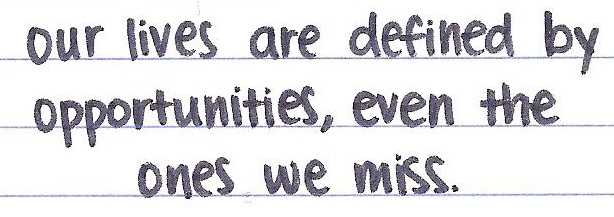
The purpose of an opportunity fund is to maximize your upside potential. Basically, an opportunity fund’s purpose is to give you the financial fuel to make the most of an opportunity that comes across your way.
What type of person benefits most from an opportunity fund?
First off, I want to explicitly state that an opportunity fund is not for everyone. If you are simply looking to remove risk from your life and remain financially comfortable, an emergency fund is more than enough for you.
A person well-suited for an opportunity fund would have the following attributes:
- Is actively looking to increase their wealth / net-worth, even at the cost of accepting risk
- Can lock away / save additional money without negatively impacting their life
How much money should I set aside for an opportunity fund?
There are no hard rules for the amount of cash you need to have in your opportunity fund – you just need enough to make the most of an opportunity that is likely to come your way. In order to do that, you are going to have to do some introspection. You should try and answer the following question: what are some of the best opportunities that I have come across in the last 5 years?
Then. ask yourself: “How much capital / money would I have needed to take advantage of those opportunities?”. Of course, its hard to give an exact figure. For example, if you happen upon a killer real estate deal, your “opportunity fund” would need to be large enough for a down-payment, whereas if you come across a smaller opportunity like a correction in the stock market, you would only need a few thousand dollars.
In my case, I’ve got $5,000 in my opportunity fund. The opportunities that I’m expecting to capitalize on at the moment are corrections in the stock market, my personal blog, and small business ventures. In order to find out the dollar amount you need in an opportunity fund, you need to clearly define the opportunities that you want to take advantage of. Once you’ve done that, all you need to do is calculate the financial fuel you would need to make the most of those opportunities and then save that amount in the form of an opportunity fund.
Where should I place my opportunity fund?
Just like an emergency fund, an opportunity fund needs to be liquid. That means that you can’t store your opportunity fund in an investment that is difficult to convert to cash.
This means that savings accounts, CDs (if you are willing to take a slight penalty), and money market accounts are great places to store your opportunity fund. However, the best place (in my opinion) to store an opportunity fund is inside of a 1 year old I-Bond.
I-Bonds are a hybrid between CDs and savings accounts. After you lock away your money for 1 year, you are free to access it at any time. In addition, I-bonds carry less risk than savings accounts because they are immune to inflation and interest rates. To top it off, I-bonds often pay higher rates.
How should I use an opportunity fund?
Before we talk about how to use an opportunity fund, lets quickly talk about how to NOT use an opportunity fund. An opportunity fund is NOT extra spending money for when things go on sale. If you truly want to make the most of an opportunity fund, you need to spend it on opportunities that will provide long term benefit to you.
In order to properly use an opportunity fund, you need to be able to identify worthwhile opportunities when you come across them. In order to do so, you should ask yourself the following questions:
- Is this opportunity likely to benefit me far into the future?
- When is next time I can reasonably expect something like this opportunity to pop up again?
If you are not likely to come across the opportunity again and it is likely to benefit you far into the future, it may be a worthwhile endeavor to use your opportunity funds on. Ultimately, deciding if the opportunity is right for you is a personal choice. However, having an opportunity fund allows you to have a choice to begin with. It’s up to you whether or not to use your financial fuel to take up an opportunity to change your life for the better.
Finishing thoughts
In the end, whether or not an opportunity fund is a good fit for you depends on your financial goals. If you want to actively grow your net-worth instead of cruise along, I highly recommend starting an opportunity fund. In the investment world, cash is king, and you’ll always need to have some of it on hand to pounce on any wonderful opportunity that comes your way. After all, fortune favors the bold, and it is much easier to be bold with an opportunity fund.
How about you all? What do you think about opportunity funds, and are they right for you?
Share your experiences by commenting below!
Why More Practical Money Skills Should Be Taught In School

The following is a guest post. Enjoy!
Younger people have to make significant financial decisions these days, and acquire financial facilities such as bank accounts and debit cards at an earlier stage than previous generations did. With likely trends continuing into future years of increased life expectancy, uncertain economic and job prospects, and the already present need for students to manage their living costs and student loans when in further education, the need for youngsters to be financially aware is increasing.
A desire for financial education
Research undertaken by bodies such as the Personal Finance Education Group (pfeg), a body helping younger people gain financial skills, has revealed that over 60% of youngsters open a bank account before starting secondary school, and some 75% of 15 year olds with a bank account have a debit card. The pfeg also found an overwhelming number of parents and teachers, and young people themselves, thought financial education should be taught in schools.
The need for financial education
Along with managing savings and bank accounts from a tender age, young people very soon have to get to grips with heavier financial aspects such as managing a budget when studying away from home and dealing with student loans.
Judging aspects such as the best way to finance their mobile phone by understanding contracts and commitments, deciding when to borrow money, how much they can afford to borrow, and assessing the most appropriate loan sources for their needs are just some of the required financial skills.
The possibility of having to leave home at a young age for the right job, and organising what may be tight finances when renting and paying bills on a starter salary, are very real circumstances younger people have to face with career-specific jobs less likely to be found closer to home.
There are claims that consumers lose on average nearly £430 per year simply through misunderstanding financial terms and conditions or not studying them properly, and this could be at least in part blamed on lack of sound financial education at a younger age.
If nothing else, the principles of assessing financial products such as bank accounts, credit cards, loans and contracts would stand younger people in good stead. For example, if considering taking out a loan, youngsters would be shown how to assess the lender’s suitability for their requirements such as visiting their website and looking for key information such as their credentials and checking if they’re members of the FCA (Financial Conduct Authority), and how they operate perhaps by reading their ‘FAQ’ page.
Steps being taken
Unfortunately, due to pressures to deliver on other aspects of the ever-changing school curriculum, barely a third of primary schools offer financial education. That said, some headway has been made through the pfeg’s Centres of Excellence programme; as of April 2016, over 50,000 students had benefitted from some type of financial education and over 2,500 teachers had been equipped with skills enabling them to teach financial education.
All-party parliamentary groups have been formed in recent years to instigate financial education; in 2014 the Parliamentary Group on Financial Education for Young People was the largest all party group with over 200 members. Household name financial institutions were involved in providing training materials and actual lessons to young people in over 1,000 secondary schools.
Steps are being taken, but there’s still a long way to go in equipping youngsters with important financial skills.