


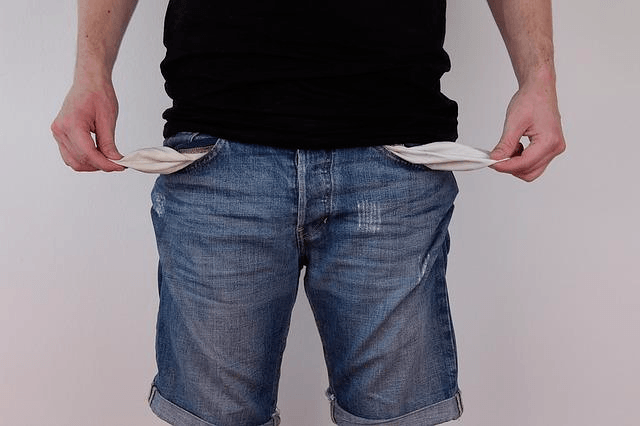

Without paying careful attention to where your money is going and what it is (or is not) doing for you, you can easily let hundreds, if not thousands, of dollars a year slip through your fingers. Are you losing your money in any of the ways in this post?
More...
The following post is by MPFJ staff writer, Melissa Batai. Melissa is a freelance writer who covers topics ranging from personal finance to business to organics to food. She blogs at Mom’s Plans where she shares her family’s journey to healthier living and paying down debt.
Managing our money can easily be a part-time job, but many of us put this job on the side lines and hope that the money will take care of itself. Without paying careful attention to where your money is going and what it is (or is not) doing for you, you can easily let hundreds, if not thousands, of dollars a year slip through your fingers.
Sure, we’ve all seen financial stories that suggest we should stop eating out so much, stop buying coffee at the coffee shop, and stop buying bottled water. But, there are plenty of other ways we’re wasting our money.
Are you squandering your money in any of the following ways?
Using too much gas
We Americans have it good. Most of us have a vehicle, and we can go anywhere we want whenever we want. The problem is that we often go just to go. Rather than waiting a day or two to run an errand so we can combine trips, we just jump in the car and go. Making these unnecessary trips costs us not only gas, but also wear and tear on our vehicles, meaning they’ll likely need to be replaced sooner.
Paying student loan interest
Student loan interest rates vary, but let’s say you have a 4 to 6% interest rate. If you’re following the standard payment plan and you have a loan of $30,000, according to The Huffington Post, you could be paying $6,448 to $9,967 over the 10 year life of the loan. Of course, that’s following a standard payment plan. Many people opt for lower monthly payments and choose the income contingent plan or the graduated repayment plan. Keep in mind, if you choose one of these plans, you’ll likely pay thousands more in interest than you would if you repaid with the standard plan, and rather than 10 years, you may be paying for 20 or even 30 years!
Paying credit card interest
Credit cards can be an amazing resource—if you pay them off every month. You might get 2 to 4% cash back, you may get generous travel rewards, etc., but all of those benefits mean very little if you’re carrying a balance and paying interest each month. Credit cards charge ridiculous interest rates (typically 11 to 21%, depending on your credit score) and require small minimum monthly payments, meaning it could take you years and years to pay off your debt because much of your monthly payment goes to interest rather than principal.
Paying ATM fees
Are you using an ATM that is not associated with your bank? If so, you could be paying $2 to $5 every time you withdraw money. If you use the ATM twice a week, you’re looking at $4 to $10 in fees. Per month that is $16 to $40. Do you really want to hand over your hard-earned cash that easily? Plan ahead so you can make a trip to your bank or withdraw money from your own bank’s ATM.
Paying overdraft fees
If you use a debit card or write a check for money you don’t have in your account, you’ll likely face a $30 to $35 non-sufficient funds charge. If you wrote several bad checks, you could be looking at paying $70 or more in fees. Yikes! While this may happen occasionally accidentally, many people play a sort of Russian roulette with their checking account, writing checks a few days before their paychecks are deposited, hoping that the money will be deposited before the checks are cashed.
Paying for accounts you're not using
Ah, those ghost accounts. Many subscription-based services, whether it be the gym, online stores, etc. set our credit card for monthly payments. Even if we stop using the service, the company still keeps getting their money. Take the time to go through your checking and credit card statements to see if you’re paying for services that you no longer use. Even the most diligent among us can be paying for ghost accounts.
Buying items on sale with money you don’t have
You see a great deal at the mall or the grocery store. You decide to stock up because, hey, buying items at this price will save you money. This is true, IF you have the money to pay for the items you’re stocking up on. Too often, people stock up, but they buy the items on credit card. Then, at the end of the month, they don’t have money to pay their bill off in full, so they end up paying more in interest charges than the item would have cost if they’d just bought it at full price rather than the sale.
Leaving the heat or air conditioning up when you’re gone
We live in Arizona where air conditioning is needed seven to nine months a year. I regularly keep our A/C at 79 degrees, but in July, our bill was more than I would have liked. I started turning the A/C up to 81 degrees whenever we leave the house. Just that simple move shaved money off our electric bill. I’m trying to make it a habit to do this all year long. Why pay more to keep the house cooler when no one is home? The same goes for the heat in the winter.
Buying convenience foods when you’re out
Even if you’re good about eating meals at home, you may spend more than you need to on snack items out of the home. Sure, we all have times when we’re running errands and stay out later than we intended and get hungry. However, buying a snack at the gas station is a waste of money. At the very least, if you’re hungry and out of the house, stop by a grocery store to buy your snack instead of a gas station. Better yet, always bring along a snack just in case. Carry your own, homemade trail mix rather than buying a bag at a store. If you love having a soda when you’re out, bring your own rather than buying one. You’ll be surprised how much you save.
Not checking your accounts regularly
Automatic bill pay is great, as long as you don’t stop checking your accounts. Just this month, I received a call from my credit card company letting me know that they suspected my credit card was fraudulently used. A $990 charge went through for a service that I did not purchase. Then, less than an hour later, the same people tried to put through a $800 charge, which is what signaled the fraud alert. Luckily, the credit card company caught this, but not before the first transaction went through. If the crooks hadn’t pushed their luck and tried the second bill, it would have been up to me to find and contest this error. Even if you have automatic bill pay, make sure you check your accounts and purchases regularly, at least monthly, but I’d recommend weekly.
Conclusions
Don’t let yourself lose money this way. Managing your money and keeping more of it in your pocket requires diligence. If you’re not careful, you can easily lose money in one or more of these ten ways.
Now, It's Your Turn...
Have you lost money any of these ways? What are other ways people squander their money unintentionally?
Share your experiences by commenting below!
***Photo courtesy of http://www.idpinthat.com/edit/26044
Every year I go over my home expenses and insurance policies. I review them and add/remove services I don’t use. Sometimes an all inclusive plan costs more than what I am really using for such as on my wireless phone bill. Also with insurance, I may be able to remove items such as collision on an old car or just raising the deductible to save a few dollars. It’s always a good idea to make sure you are actually paying for what you use. Thank you for your tips and newsletters. Dayna
Such a good point, Dayna. Just making the time to go over your expenses yearly can save hundreds of dollars!