

- You are here:
- Home »
- Blog »
- Saving Money & Frugal Living »
- Training Plan: Endurance Cycling and Personal Finance
Groups I Am a Part Of



Training Plan: Endurance Cycling and Personal Finance
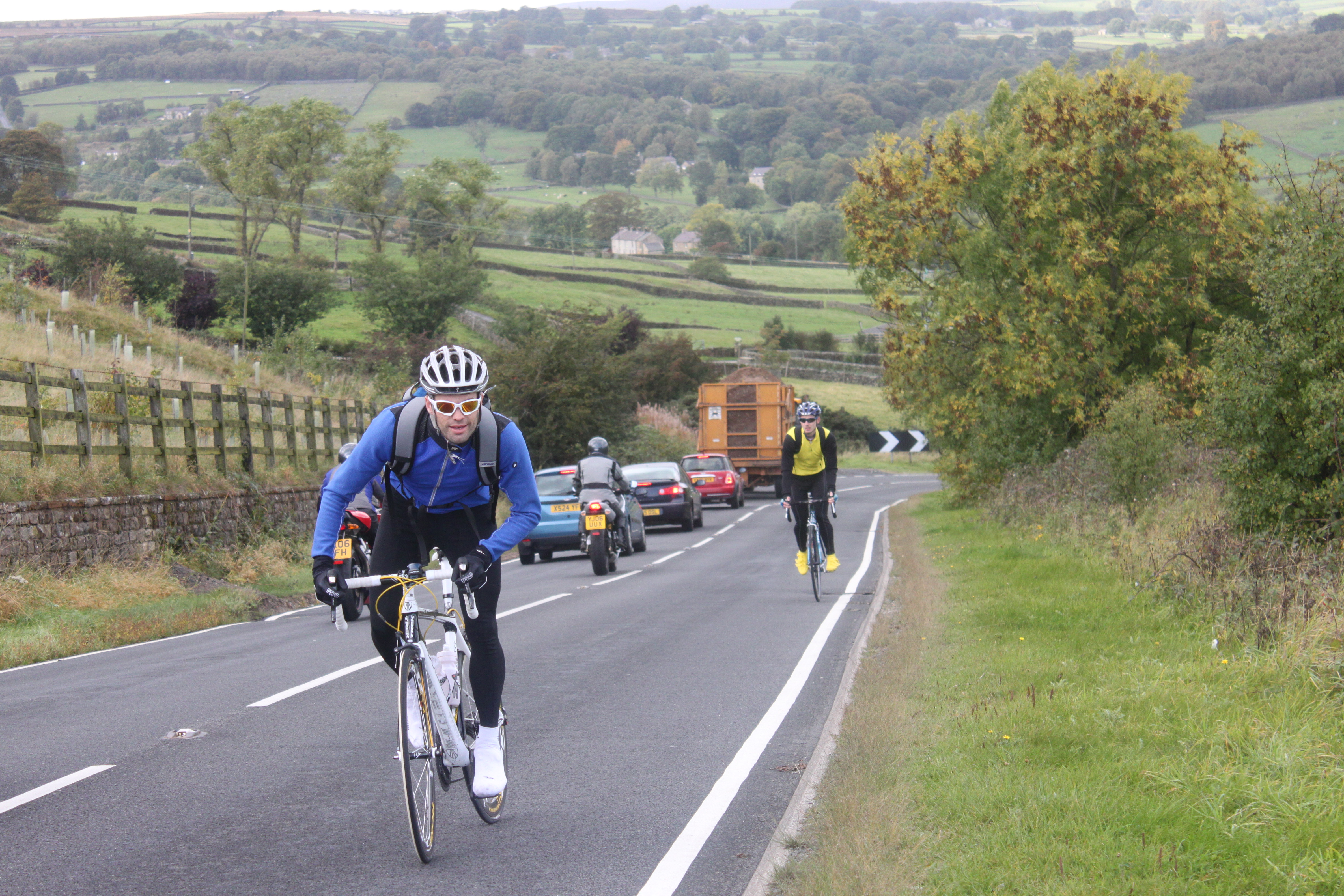 The following is a guest post by Troy Lambert from TroyLambertWrites. Enjoy!
On March 11, 2016, I tore a calf muscle playing basketball with my son. I went up to shoot a three point shot, felt a sharp pain in the back of my calf like someone had hit me with a racquetball or stabbed me, and collapsed onto the court.
One week later on March 18th, I got married. It was the most expensive party either my wife and I have ever thrown, and it was a stretch to say the least. She has some health issues, and we took an unexpected and expensive trip to Seattle for treatment a little over a month before the wedding.
Financially and physically, we were at a low point. We needed a plan to get our finances back on track, and I needed to get back in the gym and on my bicycle. I didn’t know it at the time, but I would spend the last half of the summer training for a mountain bike race involving 53 miles of gravel road. Our plan for financial recovery and my training plan have some interesting parallels.
Moving Forward is Key
I’m a writer, and writing is a business. In both business and personal finance, we often hear that cash is king.
We ended the wedding with little cash, but with good cash flow. While physically injured, I had the potential for rehab and healing. That potential and our cash flow were more important than my actual strength or our financial position at the time.
Have a Plan
For our wedding day itself, we had a budget: planning a wedding is like starting a small business you plan to run for only one day and never expect to profit from. We suffered financial setbacks in that process, but managed to cut where we could.
Once we were past the big day, we needed a recovery plan. We needed to renew our savings and pay off any debt we incurred in the wedding planning process. However, just as in training for a cycling race, a general plan wouldn’t do.
- Specific short term goals need to be set. Whether those are miles for cycling or dollars for savings, these need to be reasonable and achievable, but aggressive enough that reaching your goals will not be easy.
- Milestones with a contingency plan need to be established. To successfully complete a race, you need to reach certain mile counts by specific dates set by your training plan. If you have not met them, you need to decide what that means, and how you will make them up, or reset your goals more aggressively. It is the same with savings and budget: aggressive milestones that stretch your income need to be set and established until you can achieve stability.
- Relax and Level Out. In every training plan you need to take days off for rest. During recovery from a financial setback, you need days off too, whether that is a date night out, or a family fun day where you allow yourself to splurge, at least a little. Once you have reached a certain financial or physical fitness level, adjust your plan to maintain your current level while allowing for growth at a more reasonable pace.
Having a plan is one of the most important keys to success. However, it is rare for things to work out exactly as anticipated.
Priorities and Plan B
Contingency plans are one of the most difficult things to do under any circumstances. Whether in endurance training, personal finances, or business, the issues are similar. You have to anticipate what could go wrong and determine what you will do if it does.
Injury. Injury can be physical or financial. Essentially this is a loss that impacts your ability to achieve the final goal. In finances this can be any monetary setback, from job loss to an unexpected car repair or hospital visit.
Theft. While injury is accidental, theft is loss intentionally caused by someone else with the intent to harm you. Not only does this hamper your ability to achieve your goal, but can affect your confidence in your skills.
Acts of God. During cycling training, there was a wildfire in our area that filled the air with smoke to the point where it was unhealthy to breathe. While there were indoor training options, none of them truly replicate mountain biking on gravel adequately. Financially, natural disasters can occur that you are not prepared for.
How do you deal with these setbacks? First, set priorities. What are the most important financial obligations you need to meet, and what can be pushed off until later? Do you need to dip into savings?
Second, deal with the issue at hand. Whether that is shifting resources to cover an injury, reporting and following up on theft, or dealing with insurance or whatever method you have in place to cover Acts of God, taking care of the problem before it gets any worse is essential.
Finally, reestablish a recovery plan. This is your path back to Plan A, and stability. This may look different than your original plan, as you may have learned things through setbacks.
Ready, Set, Go!
You set out on your financial plan with a goal in mind. Whether that was simply to have a cushion in savings, a dream vacation, or purchasing a new home, at some point you will have reached the starting line of your goal. In cycling terms, it’s race day.
The first part is probably uphill. Races usually start this way. The first part of vacation will be the outlay of money for plane tickets and hotels. The first few months of owning a new home will be filled with furnishing and fine tuning the space to make it yours.
Things even out at the top. Once you have passed the initial expenses or the first hill of the race, things get smoother, and moving at a steady pace is the most important thing. Slowing down means you won’t reach the finish as soon as you have planned, speeding up means you may run out of energy or money before the finish.
Finish Strong. It’s likely this one financial goal is not your last, nor are you only going to ride in one race, then quit and stop cycling entirely. Each goal accomplished gives you confidence to move on to the next, so finish each as strongly as you can.
There are many things we could compare to personal financial planning, but if we think of it in terms of endurance cycling, it can help us think in terms of the long run. Always moving forward, having a plan, setting priorities and having a plan B, we will be able to achieve our goals and then some.
***Photo courtesy of https://www.flickr.com/photos/tejvan/5044111293/in/
About the Author Jacob A Irwin
Hi folks! My name is Jacob. I am the owner and operator of My Personal Finance Journey. I started this blog in January of 2010 and have enjoyed the journey ever since. Since finishing up graduate school in Virginia in 2014, I have been working in biopharmaceutical development in Colorado. You can read more about me and this site here. Please contact me if you have any questions!
Related Posts
Small Moves You Can Make That Will Add Up to Big Financial Changes
Pros and Cons of Buying Used
When Should You Consider a Reverse Mortgage?
Organize Your Financial Life With This Money Road Map
Popular posts
Session expired
Please log in again. The login page will open in a new tab. After logging in you can close it and return to this page.
People are always struggling in life to manage their financial condition and remain well settled. After reading this article, you will have a better road to move on where maintaining your finance life cycle will be very easy. You will find out how everything should be managed in life to improve living standards.