

- You are here:
- Home »
- Blog »
- Invest & Retire »
- Buying a Rental Property for Cash Flow
Groups I Am a Part Of


Buying a Rental Property for Cash Flow
 The following post is by MPFJ staff writer, Jeff. Jeff has been writing online about finance related issues since 2009, and after a lot of soul searching in 2015 has crystallized his goal of financial independence and blogs about his journey to freedom at zerotofi.co
Recently after a few life changes, I started making changes to my investment strategy. I have gone head first into the rental property market, and have closed on my first 4 unit building. I was able to learn a ton during this process, and would like to show you how to properly analyze a rental property to make sure that you don’t end up losing your shirt. Some people think it’s just as easy as collecting rent and paying the mortgage (not likely) and some think its going to be awful with maintenance issues and other problems left, right and center and you’ll lose your shirt (also, possible, but not highly likely). When looking into a rental property, here are a few things you need to account for to determine cash flow.
Lets assume you have a rental property that is a single family house, renting for 1,500 per month. Here is how you should analyze to make sure you’re not going to get caught with your pants down.
Vacancy Reserves
The unit isn’t going to have people in it the day after the prior group moved out, is it? Most likely not. It may take a few weeks or a month or 2 to fill it. You’ll need to make sure you have reserves for this. Many investors use 7-10% of the rental price. Since I like easy math, we will use 10%, for a final number of 150/mo for vacancies.
Capital Expenses Reserves
Shortened to CapEx frequently, this is a reserve set aside for big ticket replacements. A new fence, a new roof, new furnace, new water heater, etc. 7-10% of the rental price is common here as well. Since we like our math easy, we will use 10%, for 150/mo.
Property Management
You may self manage because you live at the place early on, but will that always be the case? You’ll want to build in for property management as well, when your life changes. 10% (again) is common here, $150.
Since this is a single family home, the tenants will take care of the water, sewer, and electric and gas bills. Any other things (such as upkeep, snow shoveling, etc) can either be done by the tenants or the property manager.
If you’re just looking to get started with rental real estate, don’t just think that if you earn more in rent than the mortgage, taxes and interest (Sometimes abbreviated as PITI) that you’ve got a good investment. The first blown furnace you’ve got will cause you major problems and really hamper whatever cashflow you may have.
How about you all? Are you interested or are you currently investing in real estate?
Share your experiences by commenting below!
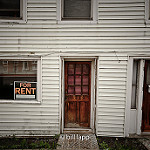
***Photo courtesy https://www.flickr.com/photos/blapp/5802137177/
About the Author J. Irwin
Related Posts
Set Goals to Create Additional Streams of Income
Important Financial Moves You Can Make in 2015
The Best Ways to Ask Your Boss For a Raise
Improving Your Small Business Cash Flow
Maximizing Your Nest Egg: How to Make the Most of IRA Investments
Popular posts
Session expired
Please log in again. The login page will open in a new tab. After logging in you can close it and return to this page.
I bought three properties with a total of 14 units about five years ago and they are the major reason I was able to retire at 52.
My only mistake was that I should have bought more!
Hope your investments do as well as mine have.