

Category Archives for Saving Money & Frugal Living
Five Signs You’re Not Managing Your Money Well
————————————————————————————————————————
Welcome to My Personal Finance Journey! If you are new here, please read the “About” or “First-Time Visitor” pages to find out more about us. If you would like to receive free updates on articles like this by email, then sign up here or you can subscribe to the RSS feed. Also, check us out on Twitter or Facebook. Thanks for visiting! Keep on learning!
————————————————————————————————————————

Click here to enter my free giveaway for 4 copies of H&R Block At Home Premium Edition
The following is a guest post. Enjoy!
How about you all? Are you managing your money as well as you want to be? If not, have you ever felt any of these signs?
Share your experiences by commenting below!
Jacob’s Thoughts – Listed below are my random thoughts as I was reading this article.
- @ Taking on another credit card for a low interest rate balance transfer – Another good idea to try to reduce your credit card interest rate is to simply call your credit card company and ask for a reduced interest rate.
- @ Planning for spending involved with special occasions – If I know that certain expenses will be incurred throughout the year, I set up automatic transfers from my checking account to savings account so that I make sure to have the required amounts when needed.
***Photo courtesy of http://pbskids.org/itsmylife/images/managing_money1.gif
Announcing the Winner of the $25 Amazon Gift Card Giveaway – "Cheapskates Need Love Too Edition"

————————————————————————————————————————
Welcome to My Personal Finance Journey! If you are new here, please read the “About” or “First-Time Visitor” pages to find out more about us. If you would like to receive free updates on articles like this by email, then sign up here or you can subscribe to the RSS feed. Also, check us out on Twitter or Facebook. Thanks for visiting! Keep on learning!
————————————————————————————————————————

Click here to enter my free giveaway for 5 copies of H&R Block At Home Premium Edition
A little over three weeks ago on February 14th, My Personal Finance Journey announced a $25 Amazon gift card giveaway to commemorate the beginning of the new, Cheapskate Jake’s Frugal Ramblin’s Series. You can read the first two posts in the series by clicking the links below.
- # 1 – How To Get a Free Running Training Program
- # 2 – Free Continuing Education With Seminars At Your Local University
This giveaway was sponsored by Barb Friedberg at Barbara Friedberg Personal Finance, and in order to enter in to the running for the grand prize, the entrants were asked to share a story about the biggest cheapskate they know in their life. I was definitely blown away by all of the good stories that were entered!
And, thanks to our two judges (Sandy @ Yes, I Am Cheap and Crystal @ Budgeting In The Fun Stuff), yesterday, we were able to crown our winner of the $25 Amazon Gift Card.
The winner was Liz, who received a perfect 10/10 score from the judges with the awesome story shown below. The second and third place entries are shown below as well! Enjoy!
First Place
I knew someone whose dad was extremely cheap. They had a septic tank at home, so it cost money to have it emptied periodically. The dad was so cheap that he used to admonish his son if he had to… ahem… move his bowels at home! He’d actually yell at him about how he should only use the bathroom at school for his costlier eliminatory functions! It probably goes without saying, but I forgot to mention that the dad also rationed everyone’s toilet paper!
Second Place – In second place, with a score of 9/10, was Lauren, who brought us the story below.
My friend’s mom told us that once she went into her local hardware store, she takes the giant, cylindrical paper towel roll inside the paper towel dispenser and puts it in her purse so she didn’t have to buy paper towels. Also, rather than squirting toothpaste on her toothbrush, she “dips” the top bristles of her toothpaste into the hole and scraps a little bit out. Finally, instead of buying my friend one of our $7 homecoming t-shirts, she went to a craft store and got a white t-shirt for 2 bucks and wrote “Go Panthers!” on it with a sharpie
Third Place – In third place, with a score of 7/10, was Mom’s Plan, who brought us the story below.
I had a friend in grad school who was so cheap he would only go out to eat during Applebee’s happy hour and then he would order the 1/2 price appetizers. He did this whether going out with friends or going out on a date. Also, if he went dancing with a girl at a club and it was lady’s night so the woman got in free, he would make her pay half of his entrance fee.
You can read the rest of the entries by clicking this link.
Thanks so much to everyone out there who participated by sharing their cheapskate stories, reading, judging, or sponsoring this contest! It sure was fun to put on! I will definitely do something similar in the future.
Jacob
***Photo courtesy of http://rainbowonlineshop.net/images/rainbow_pot_of%20gold.gif
Best of Credit Cards and Money Carnival – Shocking Credit Card Factoids Edition – March 9th, 2011

————————————————————————————————————————
Welcome to My Personal Finance Journey! If you are new here, please read the “About” or “First-Time Visitor” pages to find out more about us. If you would like to receive free updates on articles like this by email, then sign up here or you can subscribe to the RSS feed. Also, check us out on Twitter or Facebook. Thanks for visiting! Keep on learning!
————————————————————————————————————————
Click here to enter my free giveaway for 5 copies of H&R Block At Home Premium Edition
Welcome to the March 9th, 2011 edition of the Best of Credit Cards and Money Carnival.
The goal of this carnival is to highlight articles each week that provide a unique view of credit cards, credit scores, and personal finance that can help people manage their money.
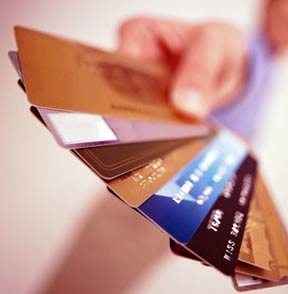
The theme of this edition of the carnival is interesting facts/statistic about the use of credit cards. Prior to signing up for one of the great credit card offers listed in some of this week’s articles, it is important to know as much about what you are getting yourself in to as possible. Enjoy!
Listed below are the top 3 articles of this week’s carnival!
Top 3 Editor’s Picks
1. Suba presents Credit card benefits : Insurance, extended warranty, shopping and more posted at Wealth Informatics, saying, “Credit card benefits range from Auto rental collision damage waiver, Travel & Emergency Assistance, Travel Accident Insurance, warranty, and price protection”
2. Control your Cash presents Us 1, American Express 0 | Control Your Cash: Making Money Make Sense posted at Control Your Cash, saying, “A helpful rule in your economic life is to think about every transaction from the other party’s perspective. In this case, look at the handsome annuity that your credit card balance becomes in the eyes of the card issuer.”
3. Michael presents Citi® Dividend Platinum Select® Card $100 Cash Back posted at Consumerism Commentary, saying, “The Citi Dividend Platinum Select Card offers $100 cash back, a great intro period AND up to 5% cash back on purchases. One of the best overall credit cards in the market today.”
—————————————————————————————————————————–
Credit Card Factoid # 1 and # 2
- One-third of Americans do not own a credit card.
- 54% pay their balance in full each month
- 33% carry balances up to $10,000 (median balance: $2,254)
- 13% carry balances over $10,000 (median balance: $17,366)
- 21% of consumers said they were treated unfairly by card companies and 32%have paid off and closed a card since January 2008. Half of those that canceled did so in direct response to the actions of credit-card issuers, such as cutting limits, hiking rates, or imposing fees.
- 45% of survey respondents say they are charging less
- 11% are charging more than they did a year ago
—————————————————————————————————————————–
And, listed below are the rest of this week’s submissions.
Credit Card Reviews
Jeff Weber presents Citi Platinum Mastercard Review posted at Smart Balance Transfers, saying, “An overview of who can benefit from the Citi Platinum Select card and who would be better off with a different credit card.”
Michael Pruser presents Citi® Hilton HHonors™ Visa Signature® Card 4 Nights FREE Promo posted at The Dough Roller, saying, “The Citi Hilton Card is perfect for the avid traveler who wants to enjoy their off time.”
CreditCardGuru presents Discover Card Benefits Explained posted at credit card forum [the blog], saying, “Here is a review of the benefits that are included on Discover credit cards. Some benefits are unique, while others are just average and found on most credit cards these days.”
RC presents New Southwest Airlines Rapid Rewards Plus Visa- 20,000 Bonus Points Offer-Review posted at Think Your Way to Wealth, saying, “A look at the new Southwest Rapid Rewards Visa, which offers points based on the new Rapid Rewards program.”
Sun presents Southwest Airlines Rapid Rewards Plus Credit Card 20,000 Points Promotion posted at The Sun’s Financial Diary.
Tim Chen presents NerdWallet’s Best Balance Transfers Spring 2011 Edition posted at NerdWallet Blog – Credit Card Watch, saying, “Balance transfers can be a great tool for people carrying a substantial amount of credit card debt. It’s not all free money though – you have to be aware of the fine print.”
—————————————————————————————————————————–
Credit Card Factoid # 3 and #4
3. Around the U.S.:
- Highest state average credit card debt:
- Alaska at $7,665
- Tennessee at $7,054
- Nevada at $6,517.
- Lowest state average credit card debt:
- Iowa at $4,247
- North Dakota at $4,417
- South Dakota at $4,633
- The steepest increases in average credit card debt over the previous quarter:
- District of Columbia +6.3%
- Tennessee +2.7%
- Alaska +2.5%
- The largest drop in average credit card debt over the previous quarter:
- Hawaii -2.7%
- Utah -2.6%
- Nevada -2.4%
4. The average American household’s credit card debt in 1990 was $2,966. In 2007 it was$9,840.
—————————————————————————————————————————–
Credit Card Tips
Christien presents How Much Does Credit Card Processing Cost? posted at How Much Does Everything Cost?.
Janet presents What Would You Buy on a $27,000 Shopping Spree with 46 Credit Cards? posted at Credit Cards Canada, saying, “What if you had 46 credit cards and a $27,000 shopping list? What would do? Before your cards were flagged you were busted for fraud, of course.”
Debt Management
CardWisdom presents Chase Blueprint Review posted at Credit Card Wisdom, saying, “Tips on how you can use Chase Blueprint to better manage expenses and credit card debt.”
Ryan @ MFN presents What Credit Score Do You Need to Refinance a VA Loan? posted at The Military Wallet, saying, “The VA Loan has minimum credit score requirements to be eligible for to refinance your loan. This article covers the basics of VA Loan refinancing and your credit score.”
Julie Mayfield presents How to Find the Money to Pay Off Your Debt posted at The Family CEO.
—————————————————————————————————————————–
Credit Card Factoid # 5 and #6
5. U.S households will receive approximately 5.3 billion offers for new credit cards in 2007
6. At least one in ten consumers have more than 10 credit cards in their wallets. However the overall average number of credit cards per consumer is 4.
—————————————————————————————————————————–
Money Tips
Jessica presents Hidden Money: How to Find Miscellaneous Fees posted at MomVesting, saying, “If you like to find money, identify those hidden fees. “
Brandon Rowe presents Best Savings Account Interest Rates posted at Bro Money, saying, “A chart of the highest savings rates along with a Firefox add-on to track savings rates”
Boomer presents Contrary Financial Decisions posted at Boomer & Echo, saying, “There are some instances where it makes sense to follow your own judgment or instincts rather than take the “accepted” or common route.”
Miranda presents Are You Paying Too Much Attention to Financial Media? posted at Personal Dividends – Money+Lifestyle, saying, “As more people have access to more money possibilities, media outlets have rushed in to provide advice. But are you doing yourself more harm than good when you pay too much attention to financial media?”
Well – that concludes this edition. Next week, the Carnival of Credit Cards and Money will be returning to Card Wisdom. Submit your article for inclusion in the upcoming edition by clicking the following link – Submit your article to the Best of Credit Cards and Money Carnival.
***Photo courtesy of http://www.chathamjournal.com/weekly/moxiepix/a3746.jpg
***Credit card factoids source – http://www.hoffmanbrinker.com/credit-card-debt-statistics.html
Credit Card Help: Top 3 Credit Card Mistakes to Avoid

————————————————————————————————————————
Welcome to My Personal Finance Journey! If you are new here, please read the “About” or “First-Time Visitor” pages to find out more about us. If you would like to receive free updates on articles like this by email, then sign up here or you can subscribe to the RSS feed. Also, check us out on Twitter or Facebook. Thanks for visiting! Keep on learning!
————————————————————————————————————————

Interested in receiving a free $25 Amazon gift card? Click here to sign up for my Cheapskate Jake “Cheapskates Need Love Too” giveaway! Or, click here to enter my free giveaway for 5 copies of H&R Block At Home Premium Edition
The following is a guest post from Ade with Credit Cards.org
Credit cards are the norm nowadays. Because of the convenience, more and more people carry around plastic instead of cash. However, not all people know the full responsibilities of having a credit card.
Mishandling and lack of knowledge could easily lead to debt. There are small details and loopholes all credit card holders should consider. In this article, we’ll tackle some of the most basic mistakes first-time credit card holders make.
Mistake 1: Not reading the contract and fine print.
Before even considering getting a credit card from a certain company, you should ensure that you know all of your options, so you can pick the best one from the bunch. This will depend entirely on how much you can afford, and how frequently you can make payments.
Picking a credit card with a wrong interest rate could prove to be disastrous for your finances. This is what makes reading the contract, along with the fine print very important. Further, you might want to look out for other details such as grace periods and grounds for hiking up the interest rates. This way, if you don’t like certain terms, you can either renegotiate the contract or go to another service provider. It’s best to take care and read the small details before you make a decision, so you won’t have any regrets later.
Mistake 2: Being late for the credit card payment.
Making the deadline for payment is probably one of the most useful disciplines you should master. A payment past due could mean hefty fines. It also lowers your credit score, and appears on the history. Small details like this could damage your credit score and record permanently. Also, some credit card companies can hike up your interest rates based on a late payment. You won’t just have to pay a fine; you’ll have to pay a much heavier price for the rest of the loan. And the worst part is, it also affects your capability to get a loan. Pay on time and you won’t have a problem with these issues.
Mistake 3: Falling for credit card deals with rebates, rewards, and high interest rates.
Some people have the notion that if they have rebates and rewards, they can offset their losses when they’re paying the interest for their credit cards. This works sometimes, when your interest rates aren’t that high.
However, most of the time, these too-good-to-be-true offers really don’t give you as much of a discount, because essentially you’re paying for your rewards with the interest rate the credit card company’s getting. Sometimes, you’ll even have a higher interest rate than what you could normally get for a regular offer. Just because something is free doesn’t mean it’s cheap. These deals are only profitable when you travel frequently and you can exchange your rewards for some mileage. Otherwise, you’ll really have to look at the small details. If the interest rate is too high for your budget, don’t think you’ll be able to get the money back because of the free rewards.
How about you all? What mistakes have you made with credit cards?
Share your experiences by commenting below!
Jacob’s Thoughts – Listed below are my random thoughts as I was reading this article.
- @Being late on credit card payment – You can now reduce the frequency that this occurs to you by setting up an automatic payment plan with your credit card company’s online user interface. It is easy, free, and will save you a lot of money!
- @Falling for credit card deals with rewards, etc – There is a definitely a trade off that exists between getting lower APRs (interest rates), cash back/point rewards, and sign up bonuses. Perhaps nothing exemplifies this better than the Discover Build Your Own Card feature. By increasing the amount of the bonus offer you get for signing up for a card, you actually increase the APR that you will receive! Interesting stuff!
***Photo courtesy of http://www.hotelmarketingstrategies.com/wp-content/uploads/2009/10/mistake.gif
Yakezie Blog Swap # 3 Roundup and My Favorite Pick

————————————————————————————————————————
Welcome to My Personal Finance Journey! If you are new here, please read the “About” or “First-Time Visitor” pages to find out more about us. If you would like to receive free updates on articles like this by email, then sign up here or you can subscribe to the RSS feed. Also, check us out on Twitter or Facebook. Thanks for visiting! Keep on learning!
————————————————————————————————————————

Interested in receiving a free $25 Amazon gift card? Click here to sign up for my Cheapskate Jake “Cheapskates Need Love Too” giveaway!
One week ago, My Personal Finance Journey participated in the 3rd ever Yakezie Blog Swap.
In this event, members and challengers of the Yakezie Personal Finance Blog Network paired up and traded posts amongst themselves on the common topic of “a time that you splurged and were glad you did.”
My Favorite Swapped Post from the Event
After reading through all of the articles in this blog swap, my hands-down favorite is the one below! Beautifully written, very entertaining, and it definitely made me laugh! Nice work 101 Centavos!
101 Centavos went nuts on an anniversary, but you know what that can get you… Read about it at Broke Professionals.
My Swap
How about you all? Which post above was your favorite?
Share your experiences by commenting below!
***Photo courtesy of http://cdn2.yakezie.com/badges/250-yakezie-04.png
The Right Match – Finding the Best Credit Card

————————————————————————————————————————
Welcome to My Personal Finance Journey! If you are new here, please read the “About” or “First-Time Visitor” pages to find out more about us. If you would like to receive free updates on articles like this by email, then sign up here or you can subscribe to the RSS feed. Also, check us out on Twitter or Facebook. Thanks for visiting! Keep on learning!
————————————————————————————————————————
Interested in receiving a free $25 Amazon gift card? Click here to sign up for my Cheapskate Jake “Cheapskates Need Love Too” giveaway! Or, click here to enter my free giveaway for 5 copies of H&R Block At Home Premium Edition
The following post was featured in the March 12th Yakezie Carnival – Spring Training Edition.
Today’s guest post comes to us from William of Home Loan Finder.
Finding the right credit card for your style of spending is important. There are credit cards with low interest rates for those who carry a balance, and credit cards with high interest rates to compensate for reward programs. Either way you look at it, you’re going to need the card that’s right for you to keep your credit on track.
The Types of Spenders
According to a recent study by Cannex, there are four major types of credit card users. They are: habitual spenders, everyday spenders, impulse spenders and big spenders. There are cards that are appropriate for each group, but to know which is the best credit card for you, you must first decide what kind of spender you are.
The Habitual Spender
A habitual spender is someone who regularly spends more than they can afford on their credit card. Because of this, they often carry balances over, revolving from month to month and adding interest to their balance. This happens because these spenders don’t have the money to cover the total amount of their balance.
The Impulse Spender
An impulse spender spends money on their credit card on impulse items. This could be a drink at a gas station or holidays, Christmas, and birthdays. Unfortunately, these spenders, too, tend to have revolving balance from month to month, adding interest to their balances each month because they can’t afford to pay the entire balance.
The Everyday Spender
An everyday spender uses their card for almost all of their everyday purchases. The difference is that while they use their card for most, if not all, of their purchases, they’re saving the money from their paychecks. They then pay the balance off, in full, almost every month. Occasionally, they’ll carry a small balance between months.
The Big Spender
A big spender, as the name implies, regularly spends more than most people on their cards. However, like an everyday spender, they have the money in their bank accounts to pay the balance off, in full, pretty much every month.
What Card Suits Your Style?
If you’re an impulse or habitual spender, it’s likely that the most important thing to you is a low interest rate so your balances don’t get completely out of control. You’re not looking for a major rewards or points program on your card, as long as you can find terms and conditions that offer a lower enough APR that your balance stays manageable.
Conversely, the goal of an everyday spender is to rack up as many reward points as they can to get the free rewards. Since they always pay their bills, every month, the interest rate on the card is next to irrelevant. A big spender is looking for reward programs or points, as well is premium services as part of their credit card account. As they always pay the balance off in full, the interest rate is largely irrelevant. This is especially true when compared to the perks of membership with the card such as free concierge service or free travel insurance.
Comparison Shopping
If you’re in one of the latter two categories, you can benefit from doing some comparison shopping. Its important to check things such as the life of the points you earned, and what those points are actually worth in dollars. Free flight miles or free gasoline may sound great, but if the amount of points you must accumulate doesn’t fit with your spending, then you may just be wasting your money.
As an example, a card may allow you to redeem $10 for every $100 spent up to a core rebate of $3000 on any new car. The downside is that these points may only valid for five years. If you wont use them in that time limit, your money on this card is virtually useless.
If you’re in the market for a new credit card, it is essential that you are honest with yourself and determine what type of borrower you are. Understanding your financial income, spending habits and financial goals will allow you to find the card with the features to give you financial freedom and keep you out of debt!
How about you all? What category of spender are you? Does the type of credit card you have (or are looking for) match you spending category?
Share your experiences by commenting below!
Jacob’s Thoughts – Listed below are my random thoughts as I was reading this article.
- @ The Habitual Spender – This is the type of spender that truly befuddles me. Why do we feel that it is all right to spend money that we don’t have (and don’t intend to have any time soon) on consumer purchases? If any one out there can share any insight, that’d be great!
- I would definitely say that I am in the Everyday Spender category. I use my cash-back credit cards for all of my daily purchases, but always pay them off in full each month. Since I pay off my balances in full each month, I don’t really care what the APR is.
- With all credit cards (and for all categories of spenders), it is important to avoid credit cards that require that you pay an annual fee. I feel these are big rip offs.
***Photo courtesy of http://www.thirsty-fish.com/storage/spending1.gif?__SQUARESPACE_CACHEVERSION=1234310933824
6 Overlooked Tips to Repair Your Credit

————————————————————————————————————————
Welcome to My Personal Finance Journey! If you are new here, please read the “About” or “First-Time Visitor” pages to find out more about us. If you would like to receive free updates on articles like this by email, then sign up here or you can subscribe to the RSS feed. Also, check us out on Twitter or Facebook. Thanks for visiting! Keep on learning!
————————————————————————————————————————
Interested in receiving a free $25 Amazon gift card? Click here to sign up for my Cheapskate Jake “Cheapskates Need Love Too” giveaway! Or, click here to enter my free giveaway for 5 copies of H&R Block At Home Premium Edition
Today’s guest post comes to us from Charles with Credit Donkey.
6 Overlooked Tips to Repair Your Credit
Your personal finance journey begins with your credit score. A bad credit score can seriously limit your quality of life and should be avoided at all costs. Not only is your credit score responsible for whether or not you can qualify for a loan or credit account, but it will also determine how much you will have to pay for the loan in terms of interest payments.
Because credit plays such an important role in our society, it is important to make sure that your credit is in top shop shape. If you have had some credit challenges in the past, here are 6 overlooked tips to repair your credit:
-
Do not wait to repair your credit
Waiting to repair your credit is a bad idea. You should pay your down your debt first and find out ways to rebuild your credit. A time will come when you will need a higher credit score as well as a credit report free of delinquencies so don’t wait to repair your credit. Commit to getting started today.
-
Do not close your older accounts
A mistake that most people make while repairing their credit is that they close their older accounts. You should avoid doing this even if you are not using them. The reasoning behind this is because your credit score takes into account the length of your credit history. By closing your older accounts you simply lose a very important part of your credit history which will play a negative role in your credit score.
-
Do not close your revolving accounts
If you are planning to close any revolving debt accounts that you may have, you need to first take into account your other revolving accounts that will remain. The reasoning behind this is because a large portion of the credit score is determined by your debt-to-the-available-credit ratio of your revolving accounts. By closing a revolving account, you will lose any access to that credit line, thus altering your available credit ratio and possibly having a negative effect on your credit score. If you want to stop using a credit card then it may be in your best interest to simply stop using it as opposed to canceling it.
-
Do not charge more to your credit account
If you think charging everything to your available credit accounts will improve your score, then you are greatly mistakened. Generally, individuals with the highest scores are fiscally responsible and do not over leverage themselves with credit.
-
Always correspond through registered mail
While corresponding with your creditors, it is necessary that you do so via registered mail. In the event that something gets misreported on your credit report, it is critical that you have a written account of any correspondence between you and your creditor.
-
Be organized
It is really important to repair your credit in an organized and structured manner. You should make sure that you get all of your credit reports regularly in order to assess what strategies are working for you.
Following these simple tips for repairing your credit will take some time before you begin to see the fruits of your labor. However, implementing these strategies will hopefully get you in the habit of performing these fiscally responsible tasks on the regular basis.
How about you all? Have you tried repairing your credit? How did it turn out? What techniques and/or strategies did you employ?
Share your experiences by commenting below!
Jacob’s Thoughts – Listed below are my random thoughts as I was reading this article.
- @Getting started today – The best way to get started reducing debt and repairing your credit is to collect your debts by making a list of all accounts, the APRs, and total balances due.
- @Revolving accounts – What is a revolving account? Does any one know? Is this just a credit card account?
- @Registered mail for correspondence – This is a great idea! And, one that I hadn’t explicitly thought of. Things do get lost in the mail, so you want to make sure you affairs are insured.
- Another tip that goes along with this is to make a detailed record of all interactions (emails, phone calls, etc) with the company that administer your debt accounts. This ensures that you know who to go to and blame in the event that a mistake is made.
***Photo courtesy of http://repair-credit-easily.info/repair-credit.jpg
5 Things You Can Do Around the House to Save Money

————————————————————————————————————————
Welcome to My Personal Finance Journey! If you are new here, please read the “About” or “First-Time Visitor” pages to find out more about us. If you would like to receive free updates on articles like this by email, then sign up here or you can subscribe to the RSS feed. Also, check us out on Twitter or Facebook. Thanks for visiting! Keep on learning!
————————————————————————————————————————
Interested in receiving a free $25 Amazon gift card? Click here to sign up for my Cheapskate Jake “Cheapskates Need Love Too” giveaway!
5 Things You Can Do Around the House to Save Money
You’re already cutting back and making changes to reduce your expenses. You may have switched to store brands for savings at the grocery store, and maybe you even switched to a carpooling routine for savings at the gas pump.
But, did you know that you could be saving even more by adopting some changes around the house? With a few adjustments to habits and products around the house, your family can save even more money each month without sacrificing comfort or quality of life.
As an added bonus, all of these adjustments will not only help reduce your bills, they will also help reduce your carbon footprint! You can’t beat that!
1. Turn off your lights and appliances when you leave the room.
This is a small habit change that can lead to big savings. Though it may seem inconsequential to leave your television or lights on in your bedroom when go downstairs to eat dinner, doing so all around the house could increase your energy bill substantially.
Appliances plugged into the wall, such as computers, are also easy to forget, but leaving these things on and idle can add to your monthly energy bill. To lower your costs, make it a habit to never leave the lights on in an empty room and to make sure that all computers and televisions are off before you leave the house for the day.
2. Hold off laundry day until you have a full load.
You may be tempted to wash your favorite t-shirt the moment it gets a ketchup stain, but refrain from tossing it into the washer all by its lonesome. Instead, hand wash the item.
Washing machines and dryers use an enormous amount of water and energy, so to optimize the use of those machines, wait until you have a full load of laundry to wash. This way, you will at least be using that energy and water to wash and dry an entire pile of clothing rather than just one item. It is also recommended to pay attention to load size and dryer heat settings to match your laundry’s needs so that you do not end up unnecessarily increasing your energy and water bills.
3. Switch to Compact Fluorescent Lamp (CFL) bulbs.
The initial cost of purchasing a CFL bulb is much greater than the cost of purchasing a regular incandescent light bulb. However, CFL bulbs have a greater light output while using less energy as well as a longer lifespan than regular light bulbs. This means that not only could you get 60 watts of light while using only 20 watts of power using a CFL bulb, but you also will have that bulb for approximately 15 times longer than a regular bulb. All in all, the savings you incur from using CFLs more than makes up for their higher initial cost. Couple these savings with the habit of turning off the lights every time you leave a room and your energy bill will shrink before your eyes.
4. Switch to low-flow faucets.
Just as is the case with CFL bulbs, the initial cost of low-flow faucets is much higher than the cost of just leaving the ones you already have in place. However, the savings you incur from your reduced water bill means that your new faucets will eventually pay for themselves. These faucets work by reducing the amount of water coming out while still maintaining a satisfactory amount of water pressure with less water waste. Chances are that once you install the faucets, you will not even notice a difference until your much smaller water bill arrives.
5. Turn up the thermostat in the summer when you leave and only put it where you need it to be when you return.
For whatever reason, the popular belief is that you should leave your air conditioner humming along even when nobody is inside to enjoy that climate because it wastes more energy to return a home to optimal temperatures than it does to just keep it frosty all day long.
However, this is simply not true. Hike up your thermostat to something balmier while you’re gone to give your air conditioner a break, such as setting it at 78 or 80 degrees rather than leaving it blowing away at 70 degrees. The fact of the matter is that having your air conditioner on all day wastes far more energy than just turning it on when you get home.
In addition, do not be tempted to set your thermostat at an absurdly low temperature if you are feeling overheated. This will not make your air conditioner cool down your home faster. The truth is that your air conditioner will cool your home at exactly the same rate whether you set it at 63 degrees or 73 degrees. Save yourself the trouble of turning your home into an ice box by just setting the air conditioner to your actual desired temperature the first time around.
How about you all? What techniques do you use to save money around the house? Have you used any of the ones in the list above?
Share your experiences by commenting below!
Jacob’s Thoughts – Listed below are my random thoughts as I was reading this article.
- @Turning off electronic appliances when leaving the room/house – I definitely agree with this, and I try to make sure to do it as much as possible upon leaving the house. However, I am not as good at turning off lights when I am just going to the other room.
- Does any one know if unplugging appliances helps save more money than just turning off the switch? Someone told me that appliances can draw electricity without being turned on.
- @Laundry – I get in trouble with this because sometimes, I hold off on doing laundry until I have TOO much to fit in one load. And, I usually end up having to run one full load and another partial load. This probably wastes money, and is something I need to improve upon.
- @Low Flow Faucets – Another idea in line with this is the idea of replacing your antique toilets with newer models that draw less water. I know my parents house (built in the 1800’s) has a downstairs toilet that draws an enormous amount of water per flush.
- @Saving money by turning up the thermostat when you leave in the summer – Building upon this idea, I normally turn off the A/C completely when I leave for work in the summer to save even more money.
***Photo courtesy of http://www.tony4greathomes.com/wp-content/uploads/2009/11/Saving-Money-by-Cutting-Home-Energy-Losses.JPG
3 Tips for Getting the Most From Your Credit Cards For Your Credit Scores

————————————————————————————————————————
Welcome to My Personal Finance Journey! If you are new here, please read the “About” or “First-Time Visitor” pages to find out more about us. If you would like to receive free updates on articles like this by email, then sign up here or you can subscribe to the RSS feed. Also, check us out on Twitter or Facebook. Thanks for visiting! Keep on learning!
————————————————————————————————————————
Interested in receiving a free $25 Amazon gift card? Click here to sign up for my Cheapskate Jake “Cheapskates Need Love Too” giveaway!
The following is a guest post from Marc Chase, President of Product Development for My Credit Group, a website dedicated to helping consumers with managing their credit.
For times when every little point can matter, here are 3 little-known tips to getting the most out of your credit score from your credit cards.
One of the most important and misunderstood aspects of maintaining a good-looking credit card account on your credit report is having the proper credit card utilization. For example, most consumers may not realize their credit utilization is broken down by credit score models into 2 categories: your individual vs. cumulative utilization; in other words, how each account looks on its own and how it affect your credit profile as a whole.
Not that there’s anything bad about having retail credit cards, but typically, they’re geared towards sub-prime borrowers and come with added fees not found on regular credit cards. Generally speaking, these might only be a good idea for consumers working with credit repair services, looking to improve their low scores; if you can get a bank card or regular, unsecured credit card, go with that option instead.
Ask most people when they should pay their credit cards, and they’ll typically tell you they pay when they get the bill. But did you know that if you wait until the due date, you’re already too late?
How can you avoid this? Find out your when your card company’s statement date is, and make sure your credit cards are paid at least 2 days before that time.
This last one is a little tricky. A lot of consumers like the idea of transferring some or all of their balances from one card to another, especially if they’re undergoing credit repair or are just trying to clean up their finances. This strategy makes sense if you’re saving a ton of money in interest fees, or if you were recently offered a new card with an introductory offer.
How about you all? Have you used any of these tips before? What things do you do to get the most out of your credit cards?
Share your experiences by commenting below!
Jacob’s Thoughts – Listed below are my random thoughts as I was reading this article.
- @Using your 2 cards with no balance for small purchases every month or else your account will be closed.
- Does any one know if the credit card companies will actually terminate your account due to inactivity? I didn’t think that they could. I just thought that it improved your credit score to have a running history of transactions on each account (that you naturally pay off each month).
- @When to pay your credit card balances – This is genius! I didn’t know that the credit cards don’t give you a chance to pay down your balance before sending the numbers off to the reporting agency to calculate your credit score! Good tip here!
- @Balance Transfers – Another thing to look out for here are fees. Many credit cards will offer you a low 0% APR on your transferred balance, but before it hits the account, they’ll slap it with a 5% transaction fee. This could further add to your debt! Watch out!
***Photo courtesy of http://swipecard.org/wp-content/uploads/2011/02/Credit-Card-Swipe1.jpg
After Learning to Save, One Must Learn to Invest and Where

————————————————————————————————————————
Welcome to My Personal Finance Journey! If you are new here, please read the “About” or “First-Time Visitor” pages to find out more about us. If you would like to receive free updates on articles like this by email, then sign up here or you can subscribe to the RSS feed. Also, check us out on Twitter or Facebook. Thanks for visiting! Keep on learning!
————————————————————————————————————————
Interested in receiving a free $25 Amazon gift card? Click here to sign up for my Cheapskate Jake “Cheapskates Need Love Too” giveaway!
The following is a guest post. Enjoy!
After Learning to Save, One Must Learn to Invest and Where
How about you all? What types of financial instruments do you use as investments? Do you find that you generally have a set level of tolerance for risk that determines what vehicles you use?
Share your experiences by commenting below!
Jacob’s Thoughts – Listed below are my random thoughts as I was reading this article.
- First, as mentioned above, it is imperative to follow the account hierarchy of needs to determine where you need to be committing your money. For example, if you don’t have health insurance, you have no business spending money on stock investing.
- For the most part, I agree with the list of investments above, going from low risk to high risk profiles.
- @ Real Estate – One way to minimize the risk of real estate investing while still maintaining diversified exposure to this economy sector is through the use of Real Estate Investment Trusts (REITs – either in the form of an index mutual fund or ETF).
- @ Stock Investing – Many unbiased, academic studies have proven that passive investing strategies through the use of index mutual funds or ETFs beats 70-80% of professional “active” money managers. I would encourage you all to learn more about this form of investing!
***Photo courtesy of http://sharkinvestor.com/pics/timeless-investing.jpg